Recyclable and Recycled: A Practical Guide for Brands
Brands need clear guidance on selecting recyclable and recycled packaging that works. This guide outlines options, design tips and communication strategies.
Packadex Editorial · September 21, 2026 · 6 min read
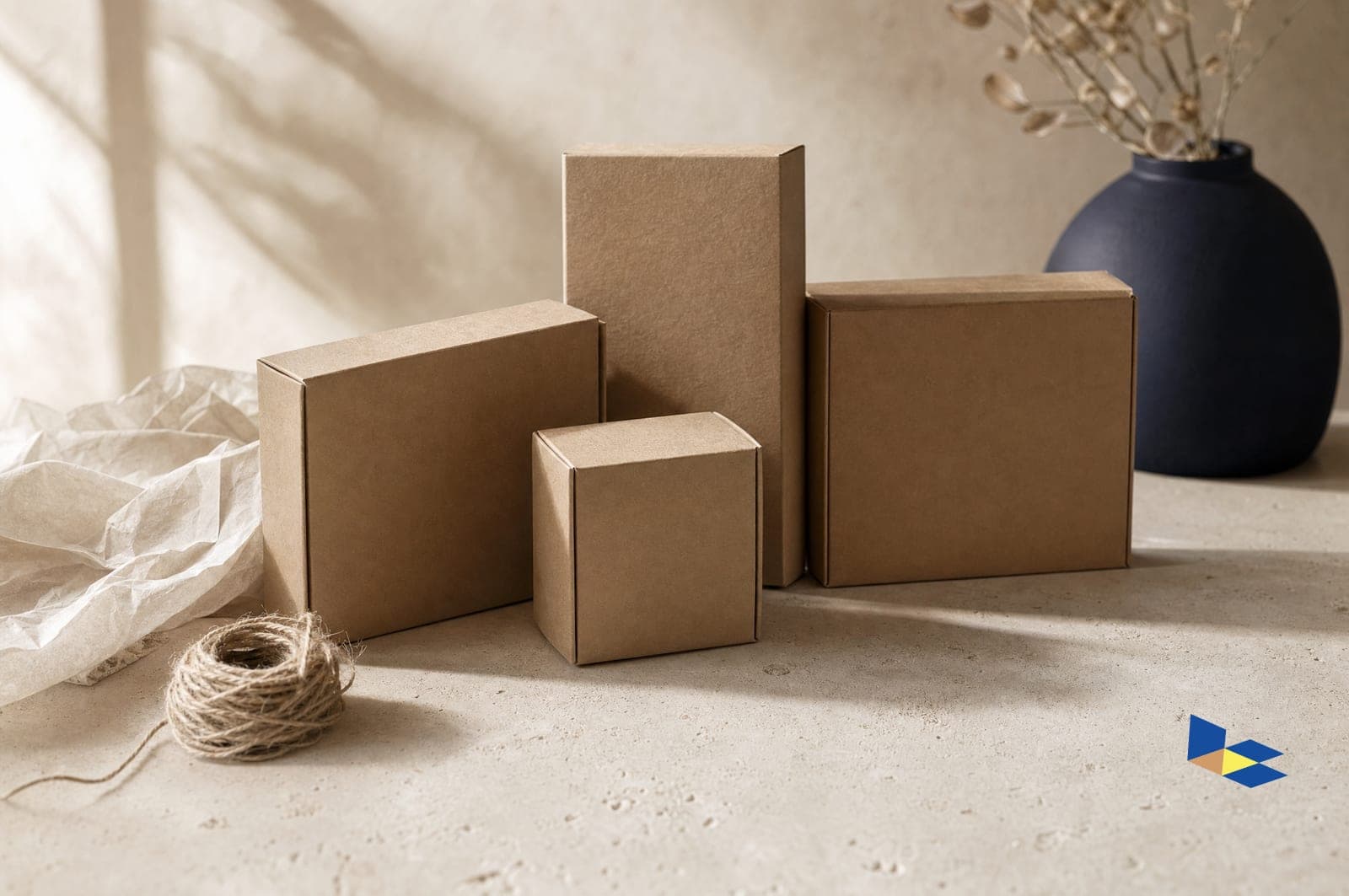
Recyclable and recycled packaging offers a way for brands to meet sustainability goals while keeping performance and cost in check. It lets you choose materials that can be re‑processed after use and those that already contain post‑consumer content. Understanding the differences helps you pick the right box style and design for your product. The following sections walk you through consumer expectations, material choices, design tips and communication methods.
Why recyclable and recycled packaging matters to consumers
Today's shoppers expect brands to demonstrate environmental responsibility. Visible cues on a product’s packaging are often the first proof they see, and those cues can tip the balance between purchase and pass‑by. When a box is clearly recyclable and contains recycled material, it signals that the brand has considered the whole lifecycle of the packaging, not just the product inside.
Consumers use these cues to:
- Identify brands that align with their values.
- Reduce the effort needed to sort waste at home.
- Feel confident that their purchase supports a circular economy.
Research shows that a clear recycling symbol or a statement about recycled content can increase perceived brand trust. This trust translates into repeat business and word‑of‑mouth recommendations.
Offering sustainable packaging options also helps brands differentiate in crowded markets. By choosing a solution such as recycled kraft boxes, companies provide a tangible, easy‑to‑understand signal that they are taking steps toward a more responsible supply chain. The result is a stronger connection with consumers who are increasingly making decisions based on environmental impact.
Key differences between recyclable substrates and recycled‑content materials
A recyclable substrate is a material that can be collected, sorted and processed again after its first use. The box returns to the recycling stream, where it is broken down into fibres or pulp and formed into new packaging. The key point is that the material starts its life as virgin fibre and retains the ability to be reused indefinitely, provided the recycling system accepts it.
A recycled‑content material, by contrast, already contains a proportion of post‑consumer fibre when it is manufactured. The box is made from a blend of virgin and reclaimed fibres, so the product itself carries a share of material that has already been through a recycling loop. This reduces the demand for new fibre but the box still needs to be recyclable to keep the loop closed.
- Recyclable substrate – virgin base, can re‑enter recycling after use.
- Recycled‑content material – includes post‑consumer fibre from the start, also recyclable if the collection system accepts it.
Choosing between the two depends on your brand’s priorities. If you want to minimise fresh fibre use, recycled‑content material is the direct route. If you aim for a closed‑loop system where each box can be processed again, a recyclable substrate is essential. Both options contribute to eco‑friendly box materials and can be tailored to your product’s requirements.
For a practical example, see our range of custom kraft boxes.
Common box styles that work well with recycled kraft
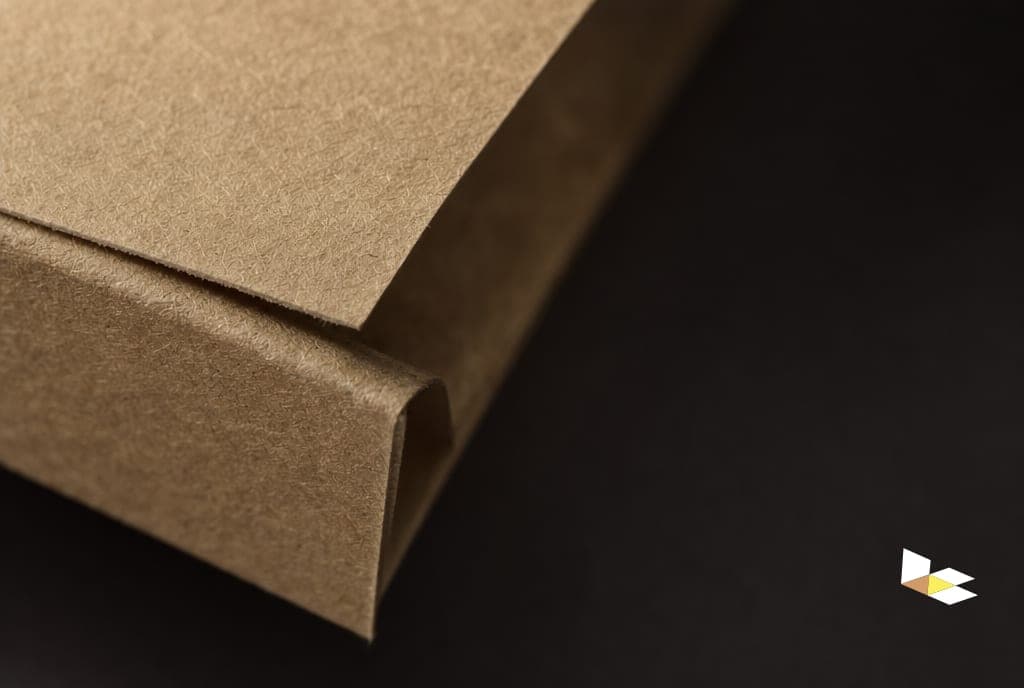
Standard single‑wall, double‑wall and folding cartons all accept recycled kraft, giving you flexibility for a range of product sizes and protection levels. Single‑wall boxes are suitable for lightweight items such as cosmetics or stationery. Double‑wall constructions add strength for heavier goods like bottles or electronics. Folding cartons provide a flat‑pack solution that can be assembled on‑site, ideal for retail displays and e‑commerce shipments. All three styles can be produced with recycled kraft without changing the manufacturing process, so you can keep design consistency while meeting sustainability goals.
When you request a quote, include the desired dimensions, wall count and any coating requirements. Exact recycled kraft box specifications will be confirmed at that stage.
| Box type | Typical wall thickness | Typical burst strength | Typical cost range* |
|---|---|---|---|
| Standard kraft | 0.25 mm (single) – 0.45 mm (double) | 250 kPa (single) – 500 kPa (double) | Low – medium |
| Recycled kraft | 0.25 mm (single) – 0.45 mm (double) | 240 kPa (single) – 480 kPa (double) | Low – medium |
| Coated kraft | 0.30 mm (single) – 0.50 mm (double) | 260 kPa (single) – 520 kPa (double) | Medium – high |
*Cost ranges are typical and will be finalised on the quote.
For a ready‑made option, see our folding cartons.
Design tips to maintain brand perception with sustainable boxes
A recycled kraft box can feel as premium as a virgin‑paper version when the design is handled with care. Start with the brand’s visual language and translate it directly onto the sustainable substrate. Use the same logo treatment, typefaces and spacing you would on any other packaging. This continuity reassures customers that the brand’s standards have not changed.
Choose a colour palette that works with the natural brown of kraft. If your brand relies on bright hues, apply them as spot colours or full‑colour prints rather than over‑saturating the surface. A limited palette can look intentional and sophisticated, while still highlighting the recycled material.
Finish selection also influences perception. Matte UV coating, soft‑touch lamination or a light varnish can add tactile richness without compromising recyclability. Ensure any coating is water‑based and compatible with recycling streams.
When adding structural details, keep clearances tight but consistent. Uniform clearances give a neat appearance and prevent the box from looking makeshift.
Key points
- Replicate existing brand assets exactly; avoid re‑creating logos.
- Use spot colours or limited palettes that complement kraft’s tone.
- Select water‑based finishes that add tactile quality while remaining recyclable.
- Maintain consistent clearances for a clean, professional look.
By applying these steps, the box retains a premium feel and reinforces brand values, even as it showcases sustainable packaging options.
How to communicate recyclability and recycled content to shoppers
Clear labelling is the first step. Use a concise statement such as “100 % recyclable” or “Made with 30 % recycled content” directly on the front or side of the box. Keep the wording short; shoppers scan the packaging quickly and need the key message at a glance.
Simple icons reinforce the text. A universally recognised recycling triangle with the appropriate number of arrows, or a “recycled material” symbol, works well when placed near the claim. Ensure the icon is printed in a colour that contrasts with the background for easy visibility.
Brief copy on the box or an insert can add context without overwhelming the design. A single line like “Choosing this product helps keep waste out of landfill” tells shoppers why the claim matters. If space allows, a short paragraph on the insert can explain how the packaging is sourced from post‑consumer fibre and can be returned to the recycling stream.
Tips for effective communication
- Use the same phrasing across all touchpoints – box, label, website.
- Position the claim and icon at eye level on the packaging.
- Keep font size legible; avoid decorative type that reduces readability.
- Pair the recyclability message with a note on the durability of eco‑friendly box materials, reassuring shoppers that sustainability does not compromise quality.
Get a packaging quote
Send your product dimensions, quantity and artwork and we will come back with materials, structure options and pricing. Request a quote.
Frequently asked questions
Can I use recycled kraft for high‑impact shipping boxes?
Yes, recycled kraft can be supplied in single‑wall or double‑wall constructions that meet typical shipping strength requirements. Choose the appropriate flute profile and wall thickness for the weight and handling of your product.
What design elements are safe for recycled kraft without compromising recyclability?
Stick to water‑based inks, minimal laminates and avoid excessive foil or plastic windows. These choices keep the box within standard recycling streams while still allowing strong brand visuals.
How do I calculate the clearance needed for inserts in a recycled kraft box?
Measure the product dimensions, add the desired padding thickness, and then add a small clearance of 2‑4 mm on each side. This ensures the insert fits without compressing the box walls.
Where can I get a quote for custom recycled kraft boxes?
Provide the inside dimensions (L x W x H), wall thickness preference, and any special finishes to our quote form. We will respond with a tailored cost estimate.
Related packaging
Ready to build better packaging?
Tell us what you are packaging and we will help shape the right structure, materials and print finish.
Get a quote