
How to Choose and Design Letter Box Boxes
Letter box boxes must slip through mail slots while keeping items safe. This guide covers sizing, material choice and printing for reliable, brand‑focused packaging.
Packadex Team · September 20, 2026 · 6 min read
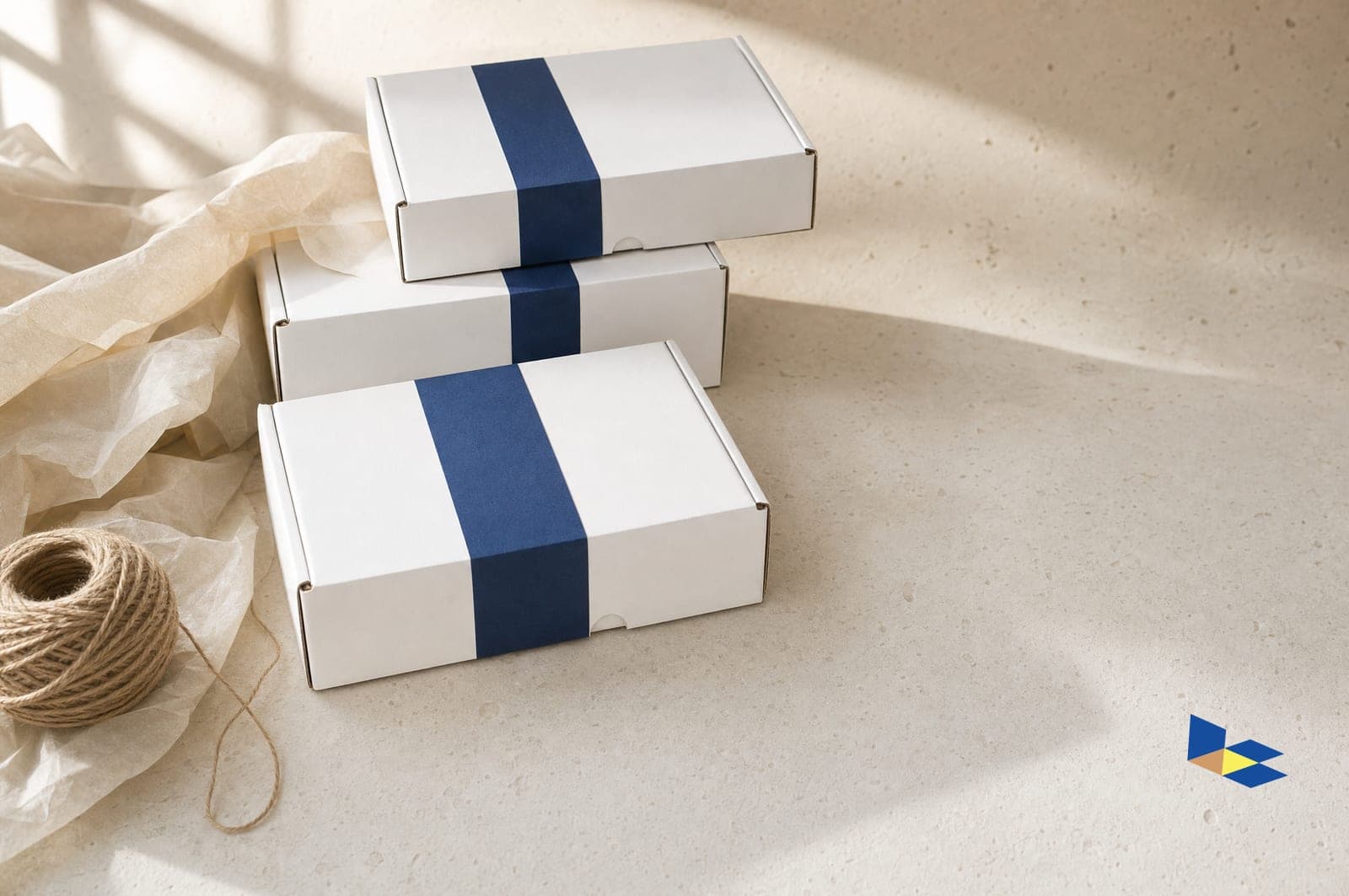
Letter box boxes need to fit through standard mail slots and protect the contents inside. By matching the box dimensions to slot clearances and selecting the right material, brands can ship small parcels reliably. The guide below explains how to size, choose material, design closures, and prepare artwork for a smooth production run. It also points you to our mailer and corrugated box ranges for reference.
Understanding mail slot dimensions and clearance requirements
UK postboxes typically have a slot opening of about 260 mm wide by 140 mm high. The opening is measured from the inner edge of the slot to the opposite inner edge, not the outer frame. When designing letter box boxes, start with these internal dimensions and then add clearance for the product and any protective inserts.
- Measure the product’s longest side that will sit flat against the slot opening.
- Add a minimum of 5 mm clearance on each side to allow the box to slide in without catching.
- Include an extra 5–10 mm clearance at the top and bottom if you plan to use a lid or flap that folds over the slot edge.
The clearance creates space for padding, dividers or promotional material without increasing the external footprint of the box. Too little clearance can cause the box to jam, leading to damage or delayed delivery.
Designing with the correct clearance also ensures the packaging is mail slot compliant packaging, meaning it will pass the Royal Mail’s size checks and be handled efficiently. For examples of boxes built to these guidelines, see our range of custom mailer boxes.
Using these measurements helps you create reliable letter box boxes that protect the contents and move smoothly through the postal system.
Selecting the right material and flute profile for strength and sustainability
Choosing the corrugated construction is the first step in a small parcel box design that will survive the journey through a letter box.
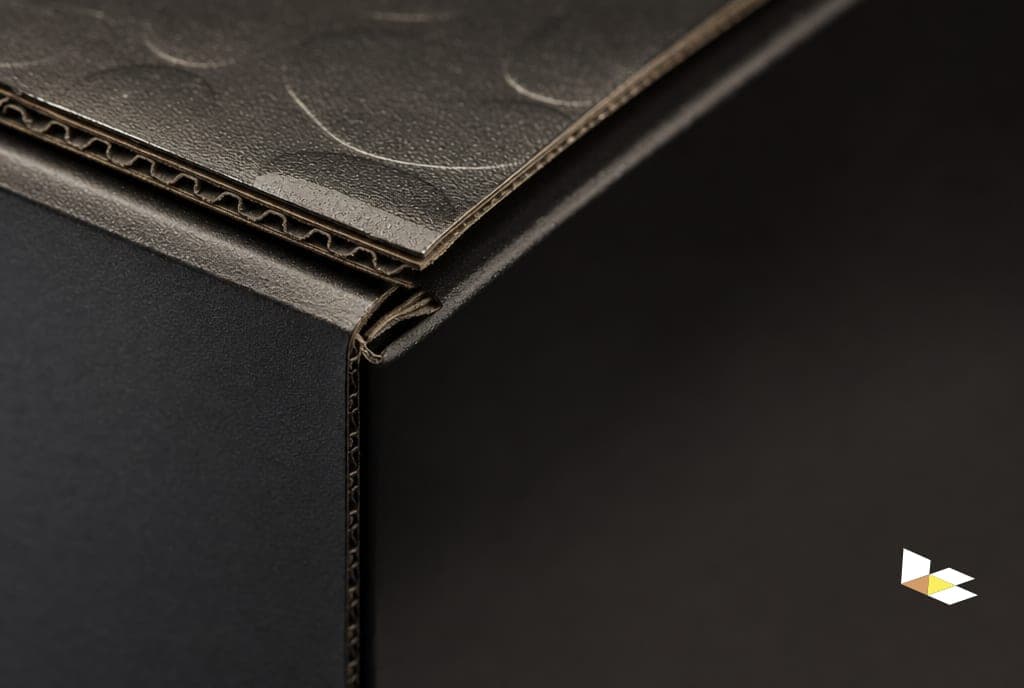
- Single‑wall uses one liner and one medium. It is lightweight, easy to fold and suitable for low‑weight mail. Typical flute profiles are A (3 mm) and B (2 mm). Burst strength for a standard single‑wall B‑flute is around 2 kPa, while A‑flute reaches about 2.5 kPa.
- Double‑wall adds a second medium and liner, giving two layers of flutes. Common profiles are C‑flute (3.5 mm) paired with B‑flute, or the newer BC‑flute hybrid. Burst strength rises to 4–5 kPa, providing extra protection for heavier items.
Environmental impact follows the material thickness. Thinner walls use less fibre and generate lower waste, but double‑wall offers better rigidity, which can reduce the need for additional inserts.
| Material choice | Typical flute profile(s) | Typical burst strength (kPa) | Typical cost per m² (GBP) |
|---|---|---|---|
| Single‑wall | B, A | 2 – 2.5 | £0.80 – £1.10 |
| Double‑wall | BC, C+B | 4 – 5 | £1.30 – £1.70 |
Exact figures are confirmed on the quote. For a complete solution, see our custom mailer boxes.
Designing secure closures and optional protective inserts
A well‑chosen closure keeps the contents safe during transit but still lets the recipient open the box without tools. Three common options are tuck‑end, snap‑lock and die‑cut inserts.
- Tuck‑end – The flaps fold into a slot on the opposite side. The joint adds rigidity to the top and bottom panels. It is simple to assemble and can be opened by pulling the flap outwards.
- Snap‑lock – Interlocking tabs on the side walls click together. The snap provides a firm seal and reinforces the side panels, helping the box retain its shape. A gentle press releases the lock for easy opening.
- Die‑cut insert – A pre‑cut cardboard insert fits inside the box, creating an inner cavity. The insert adds structural support, especially for heavier items, and can include a separate compartment for accessories. It also acts as a protective layer for fragile goods.
When designing for e‑commerce subscription packaging, consider the product’s weight and the expected handling. A tuck‑end works well for lightweight items, while snap‑lock or an insert adds extra strength for heavier or irregularly shaped goods.
Clearance around the product should remain consistent with the mail‑slot requirements discussed earlier. The closure method does not change that clearance; it only affects the box’s overall rigidity and the user experience at delivery. Choose the closure that matches the product’s protection needs and the recipient’s convenience.
Printing options, finishes and branding considerations
When you choose a print method for letter box boxes, the two common processes are flexographic and digital. Flexographic printing uses plates and is suited to large runs; it delivers consistent colour across many boxes and works well with spot colours such as brand logos. Digital printing skips plates, allowing short runs and rapid changes to artwork. It is ideal for variable data, limited‑edition designs or when you need a quick prototype.
Finishes add tactile and visual depth. Typical options include:
- Matte – reduces glare, gives a soft feel and works well with understated branding.
- Gloss – enhances colour vibrancy and highlights details, but can show fingerprints.
- Spot UV – applies a clear, high‑shine coating to selected areas, creating contrast between matte and glossy surfaces.
Align your branding with the functional constraints of mail slot compliant packaging. Keep critical graphics and text within the safe printable area, allowing for the clearance needed to slide the box through a standard mail slot. Avoid large, high‑relief embossing on the front face if it could catch on the slot edge.
If you need a box that meets both brand standards and postal requirements, request a sample with your chosen print method and finish. You can then check colour fidelity, surface feel and slot clearance before committing to production.
Explore more options for sturdy, printed solutions in our custom corrugated boxes.
Preparing dielines and artwork for a smooth production run
A clean file reduces the risk of delays. Use vector formats such as AI or PDF saved with PDF/X‑1a compliance. Raster images should be at least 300 dpi and embedded, not linked.
Bleed Add a minimum of 3 mm bleed on all sides of the dieline. This extra area covers any shift during cutting and ensures colour reaches the edge of the finished box. Do not place important text or graphics within 5 mm of the trim line; keep them in the safe zone.
Colour profiles Submit artwork in CMYK with the US WebCoated (SW) or ISO Coated colour space, depending on your printer’s specification. Spot colours are acceptable if they are defined in Pantone and clearly labelled in the file.
Submission process
- Upload the final PDF and any supporting files to the quote portal.
- Attach a short note stating the box style, inside dimensions (L x W x H), and any special finishes.
- Confirm the file version and that all fonts are outlined.
Our production team will run a quick proof check and contact you only if adjustments are needed. Providing a well‑prepared file helps keep the small parcel box design on schedule and avoids costly re‑runs.
Get a packaging quote
Send your product dimensions, quantity and artwork and we will come back with materials, structure options and pricing. Request a quote.
Frequently asked questions
Can I use a standard mailer box for a letter box box design?
Standard mailer boxes are often too deep for typical mail slots. A letter box box should have a low profile, usually no more than 150 mm in height, to ensure it slides through the slot without bending.
What is the best way to test if my box will fit through a mail slot?
Print a cardboard prototype using the final inside dimensions and try it in a real slot. Check that the box slides without catching and that any inserts do not exceed the clearance you measured.
Do I need special approval to use letter box boxes for e‑commerce subscriptions?
No special approval is required, but the box must meet the postal service’s size limits and be robust enough for repeated handling. Ensure the design complies with the mail slot dimensions and includes adequate protection for the product.
Related packaging
Ready to build better packaging?
Tell us what you are packaging and we will help shape the right structure, materials and print finish.
Get a quote