
Custom Packaging Boxes.
Compare mailer boxes, rigid boxes, sleeve and tray boxes, folding cartons, display boxes, shipping boxes, and eco-friendly packaging for your next product launch.
All Products
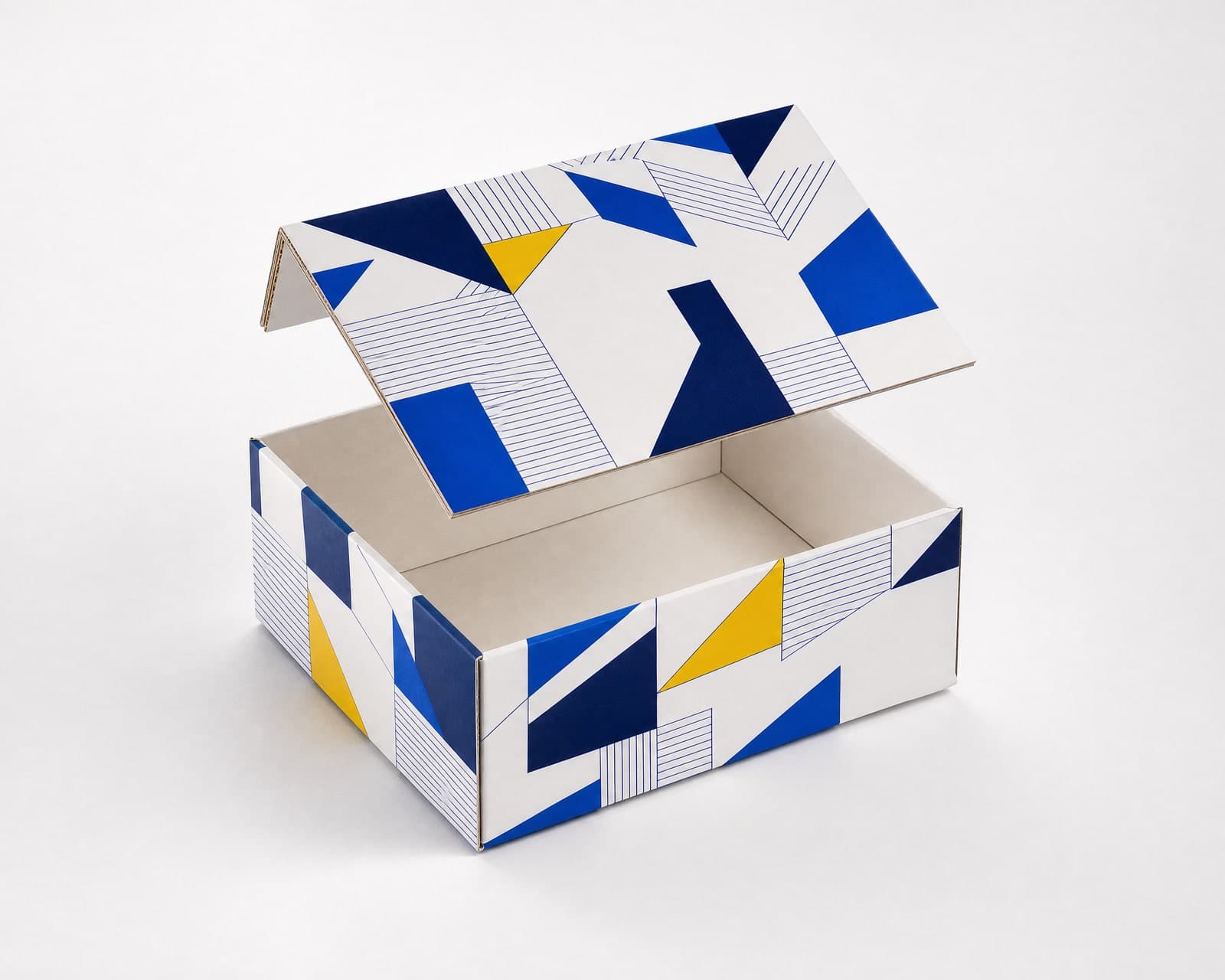
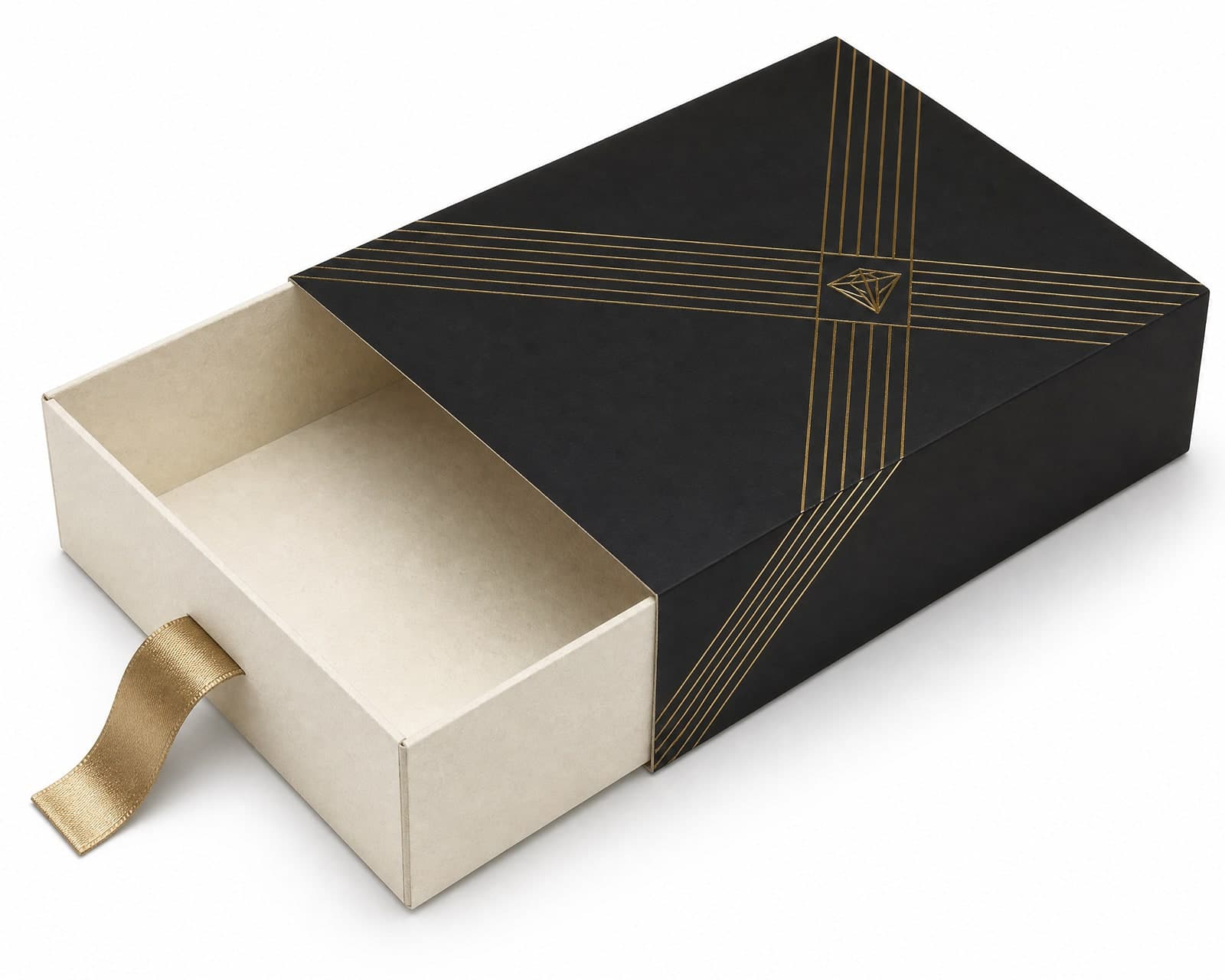
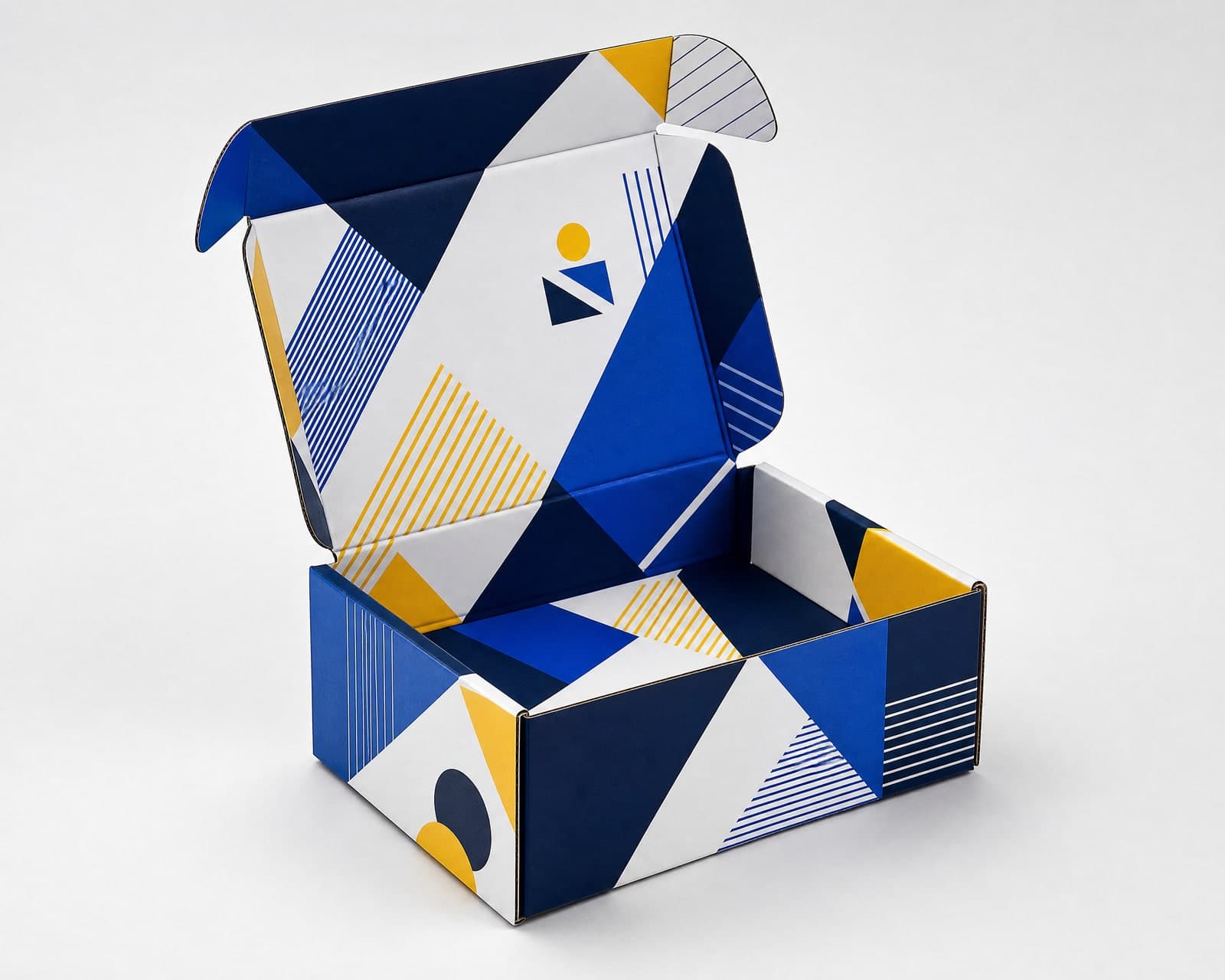
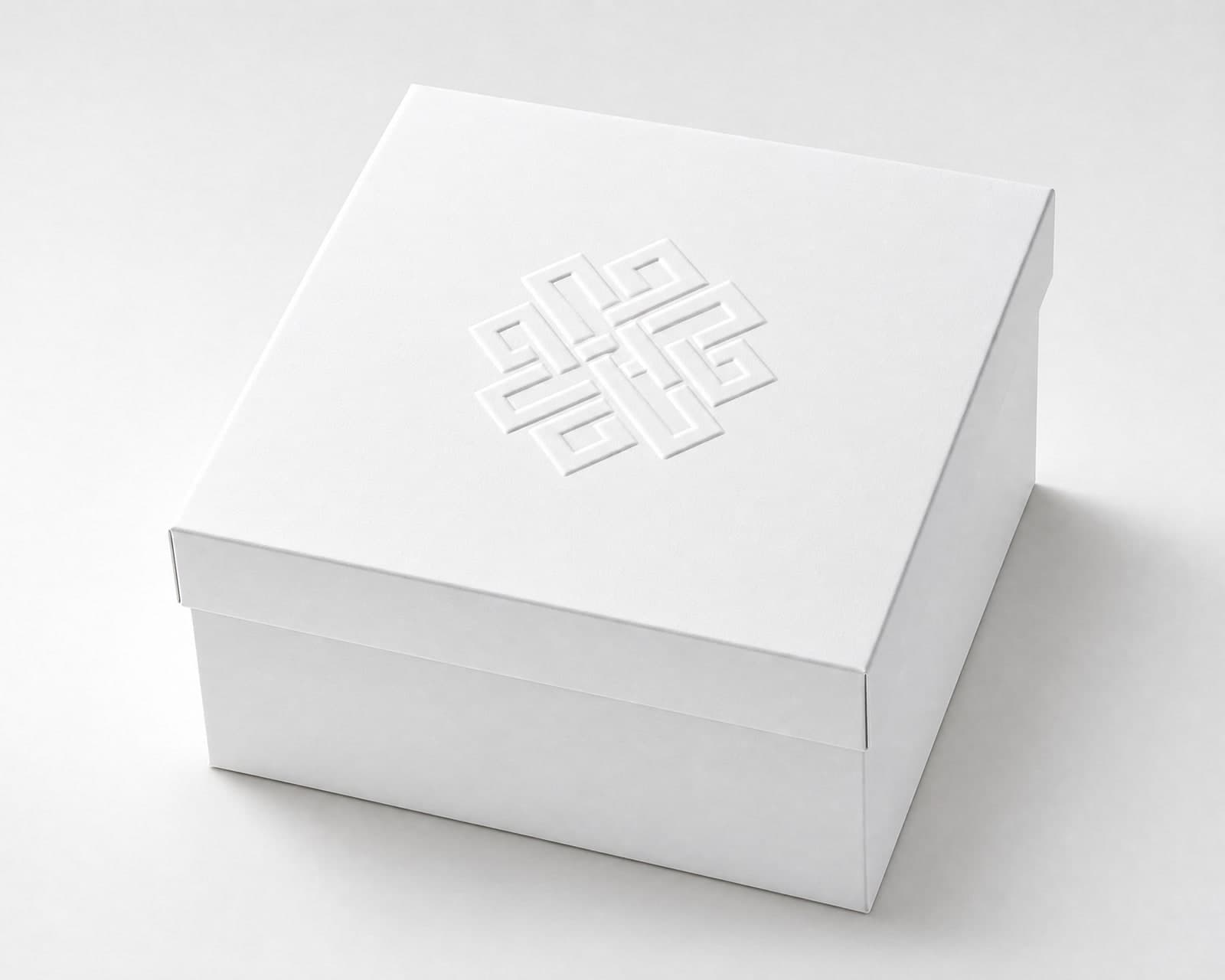
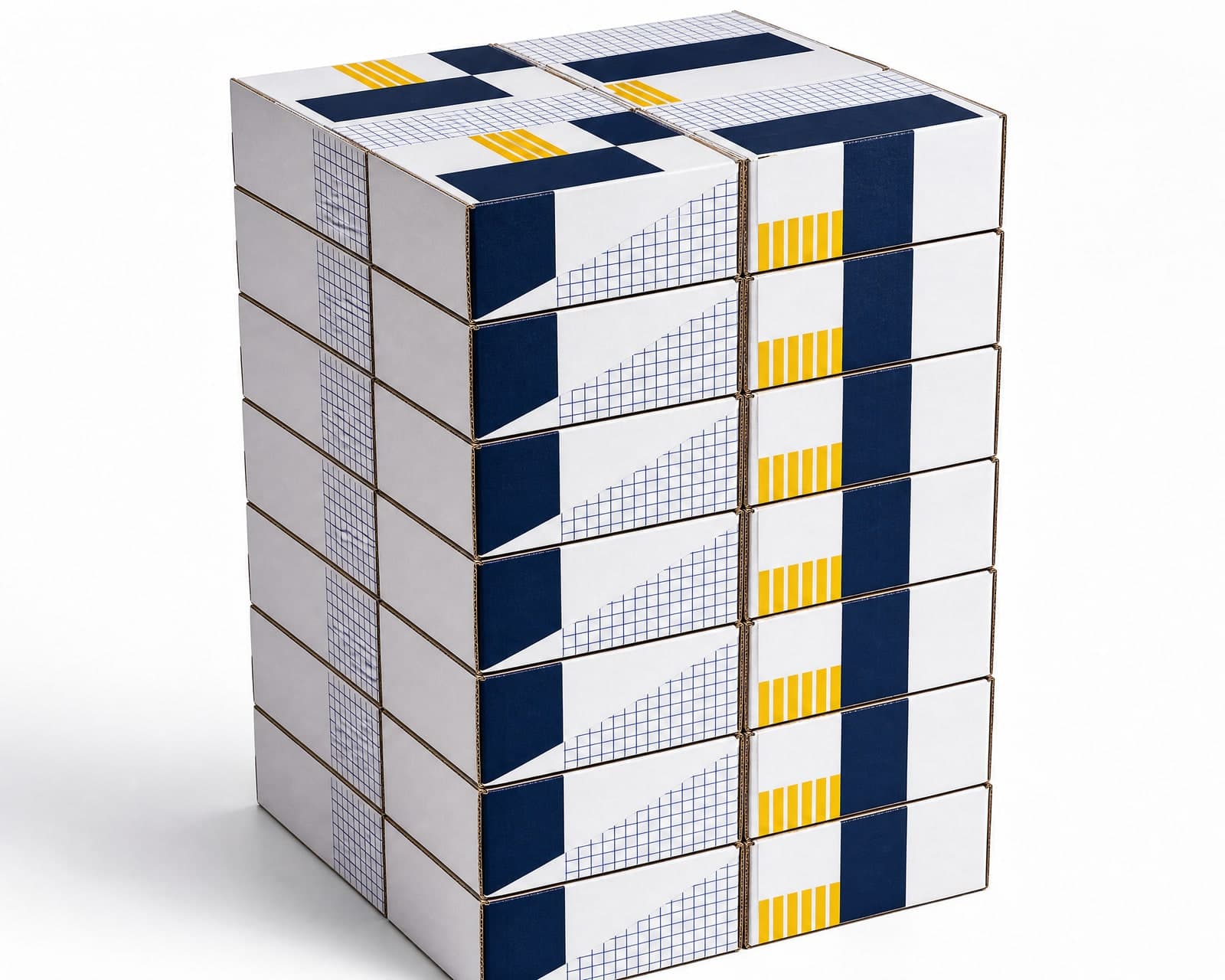
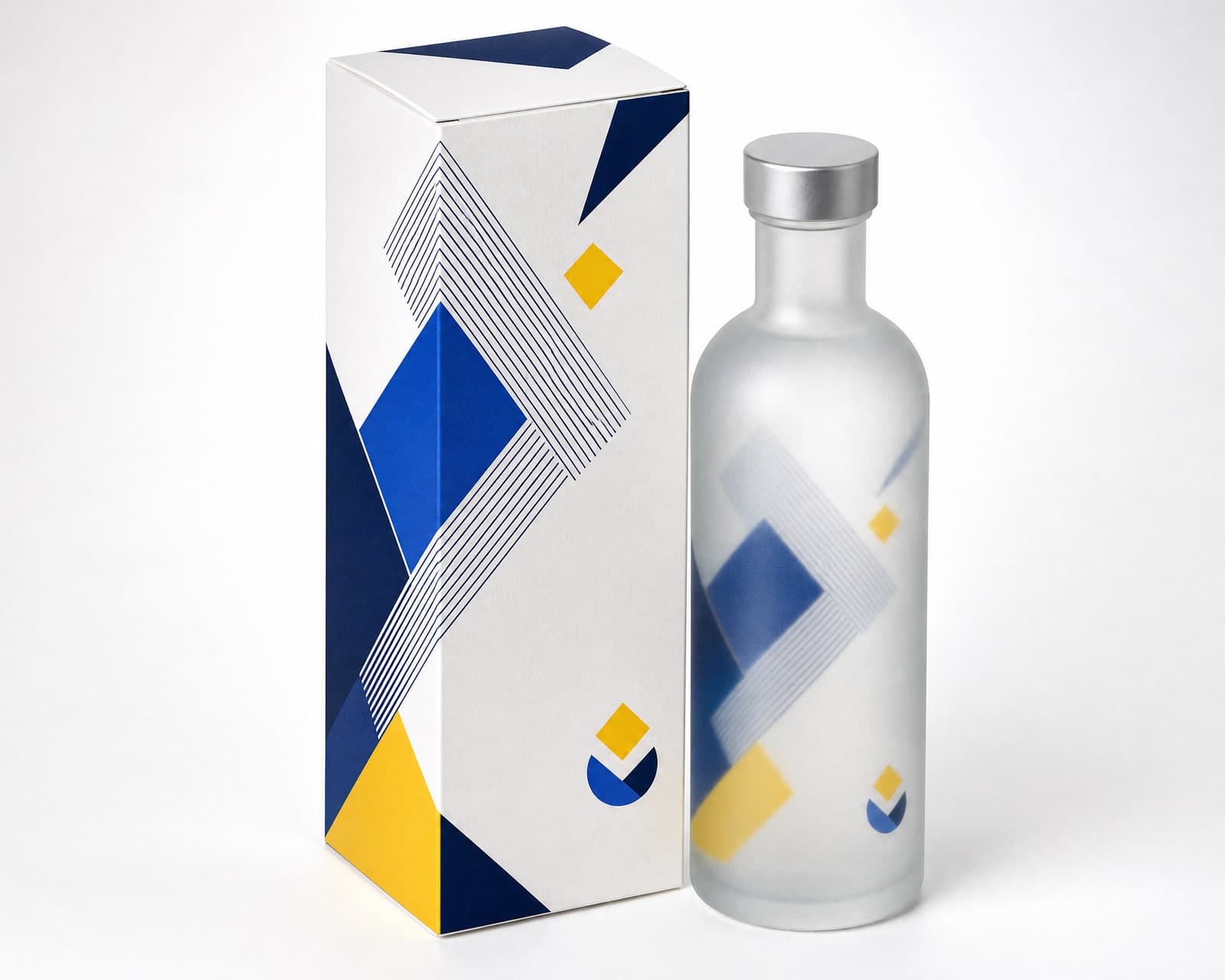
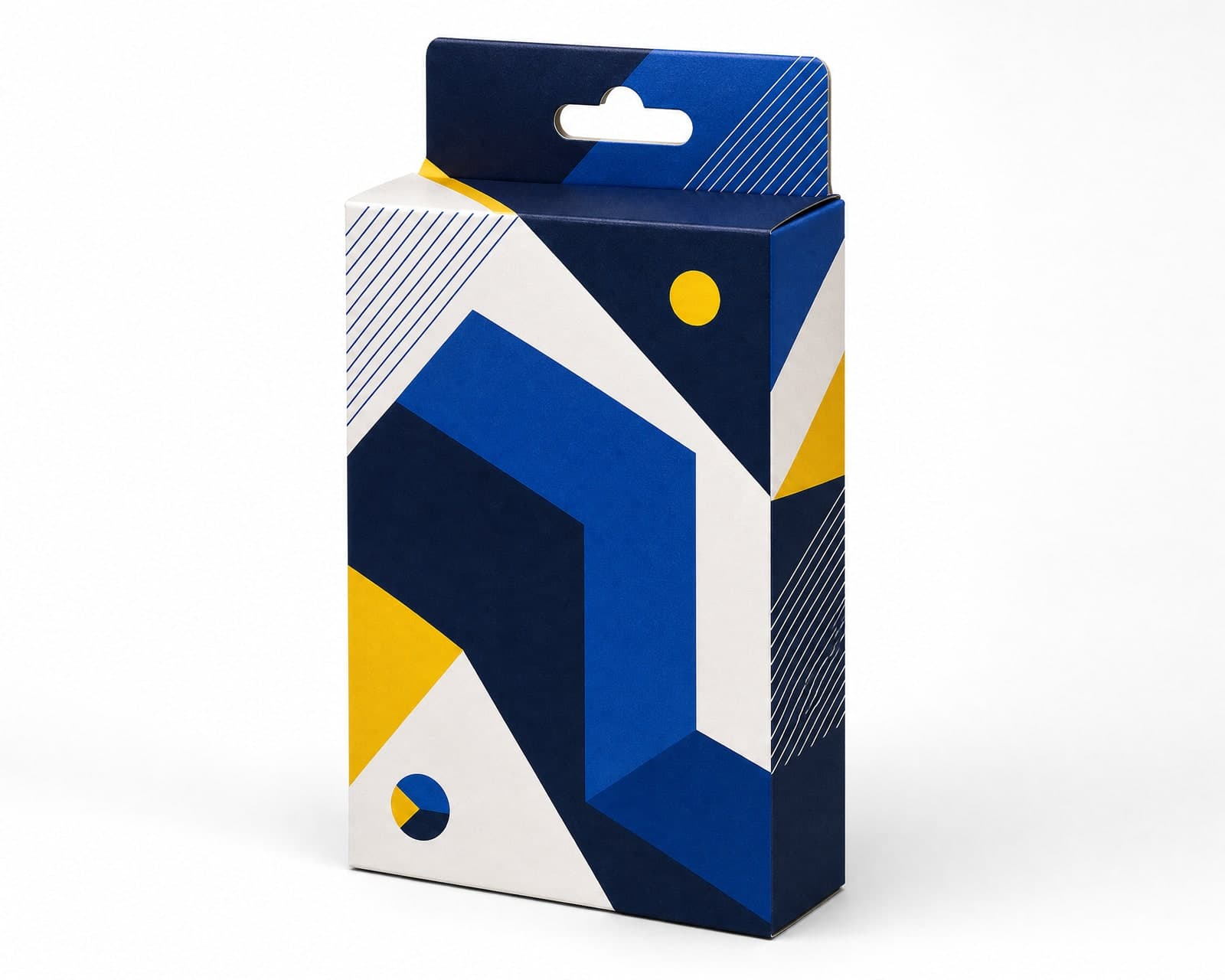
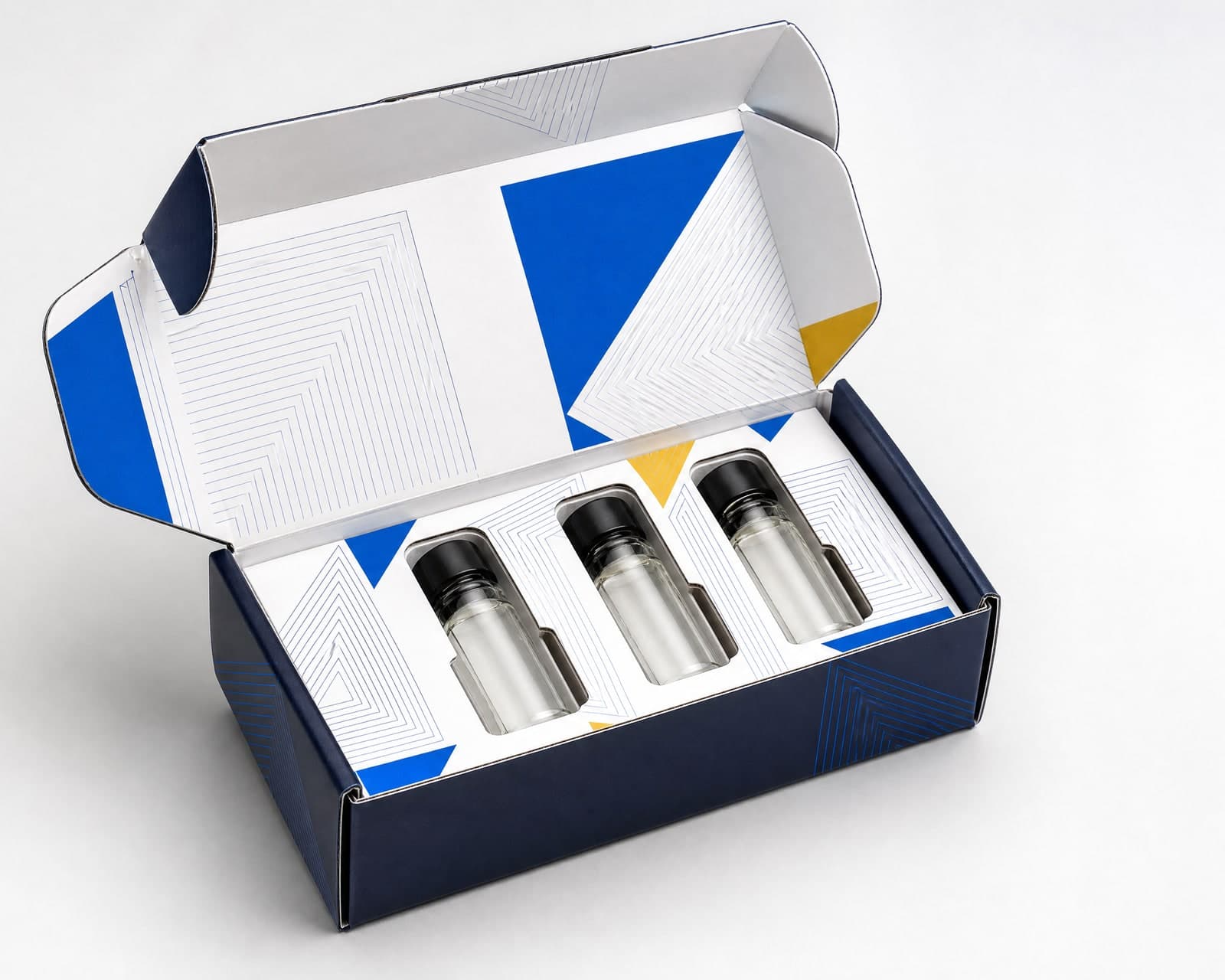
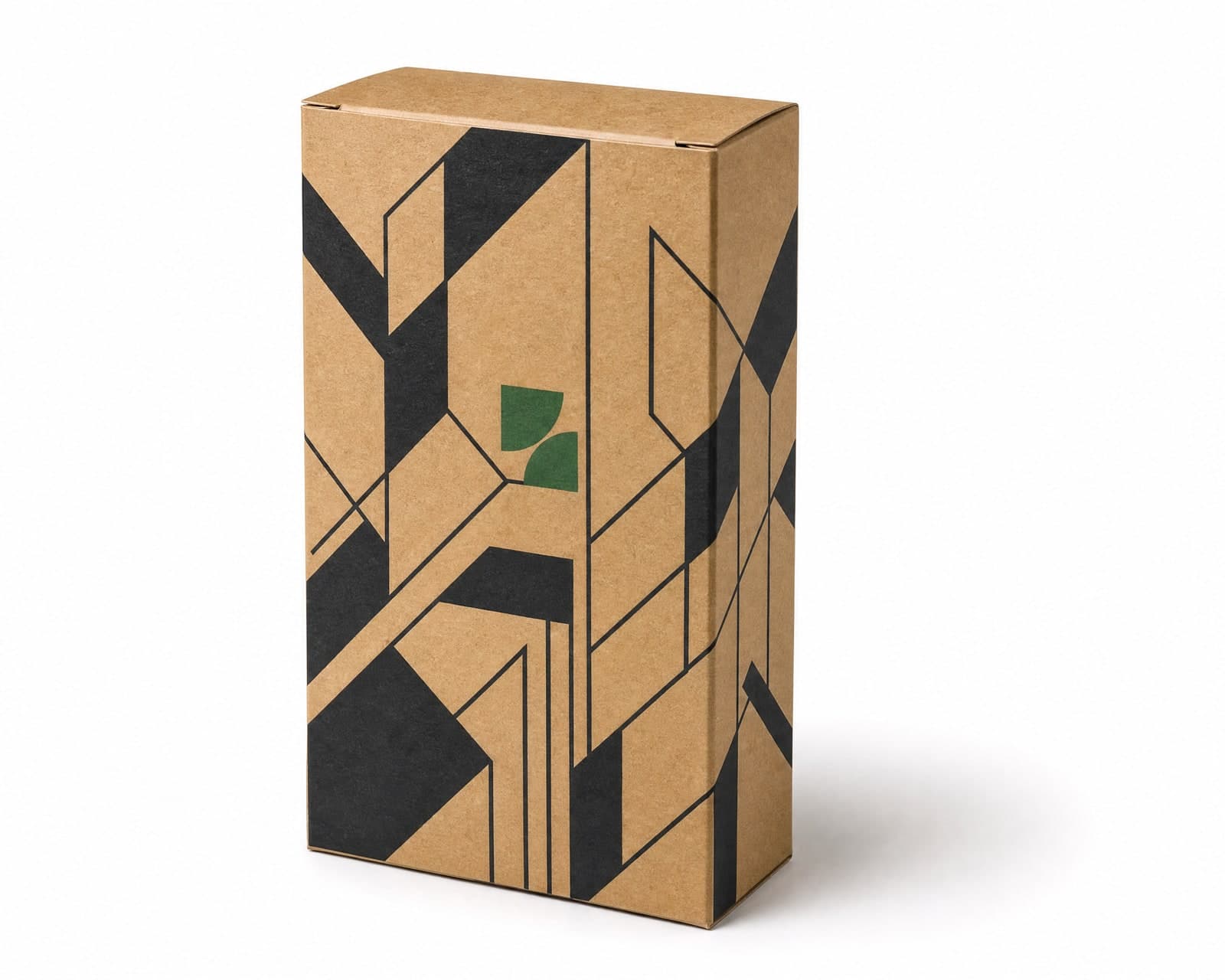
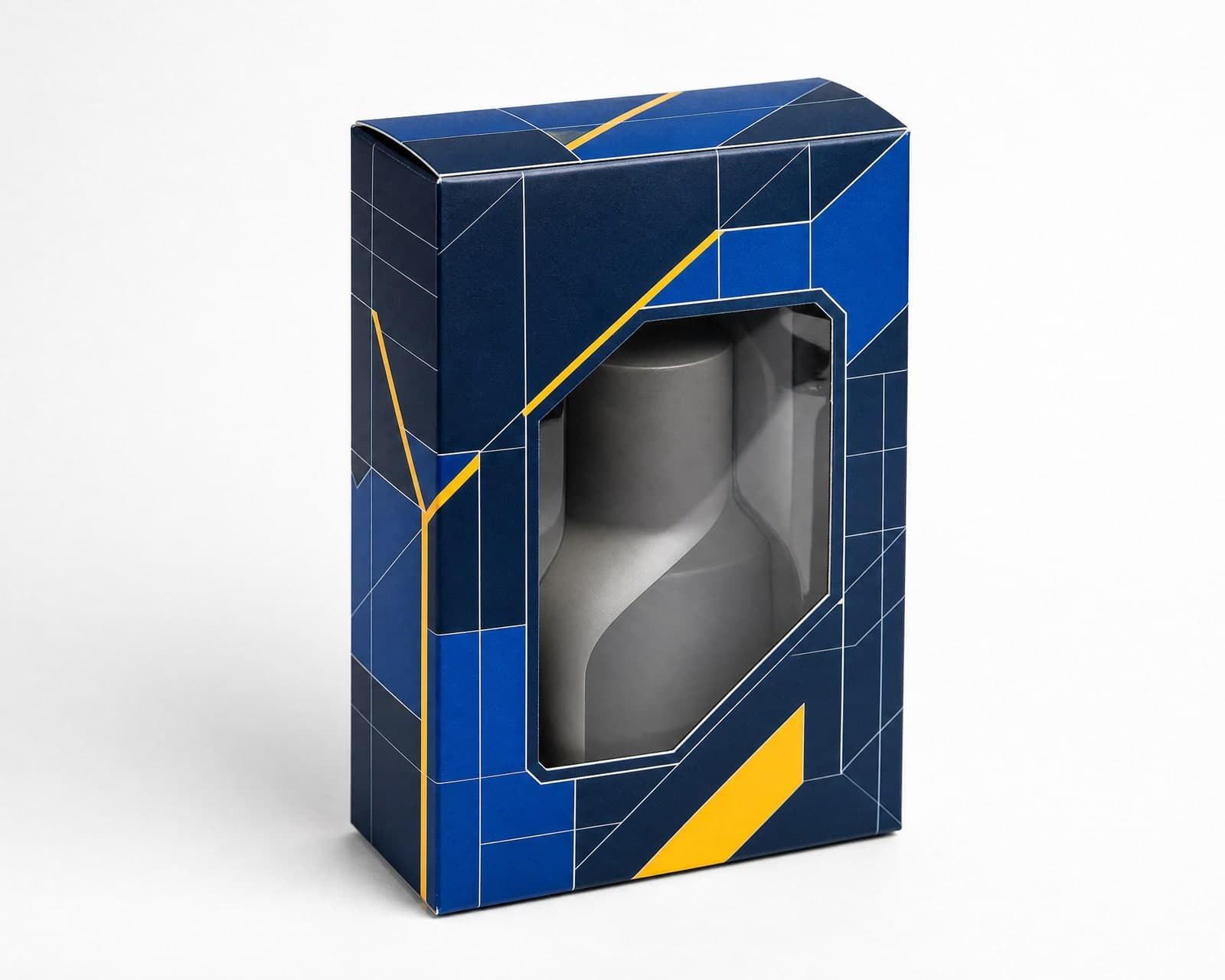
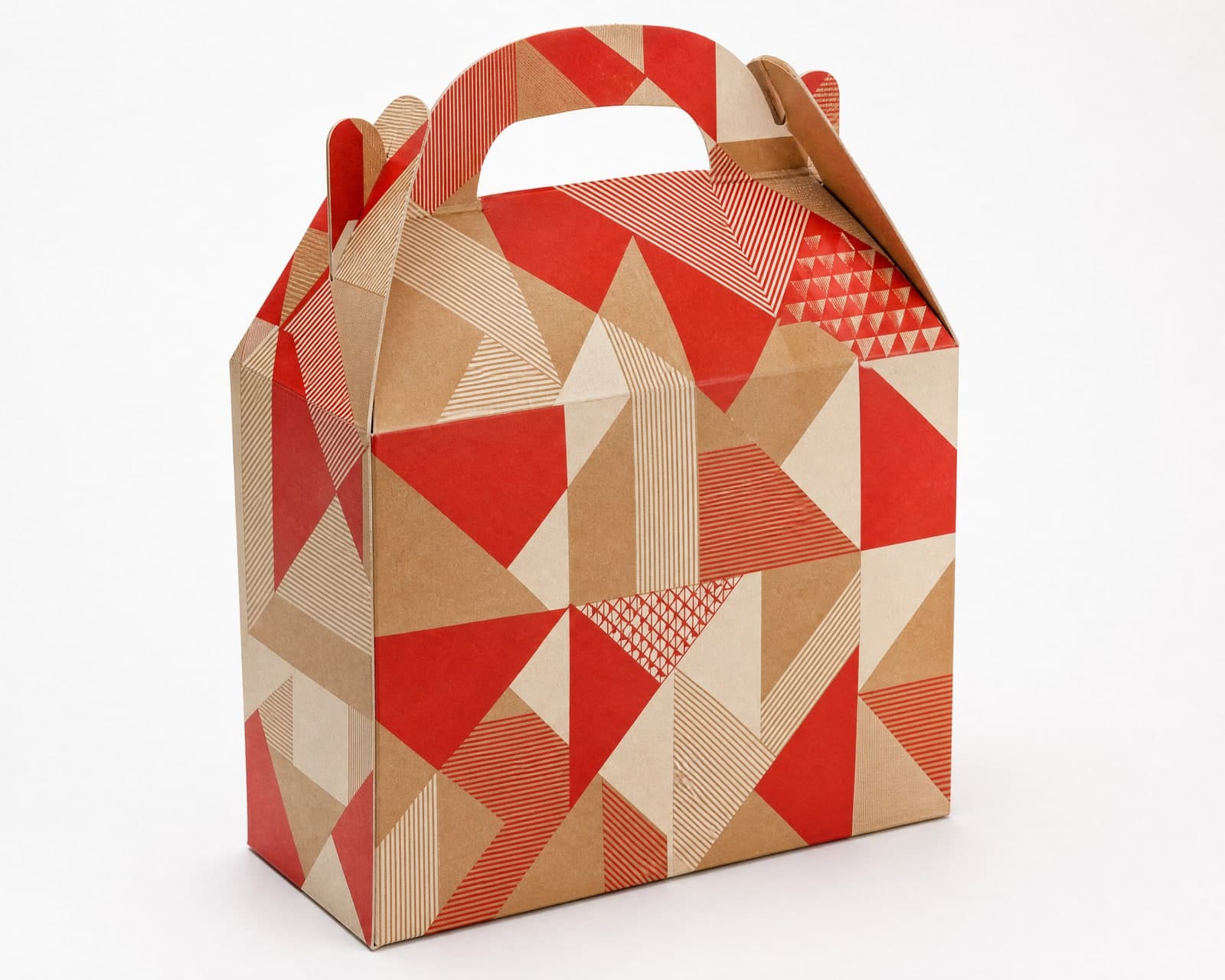
Popular box types
Packaging built for a specific product.
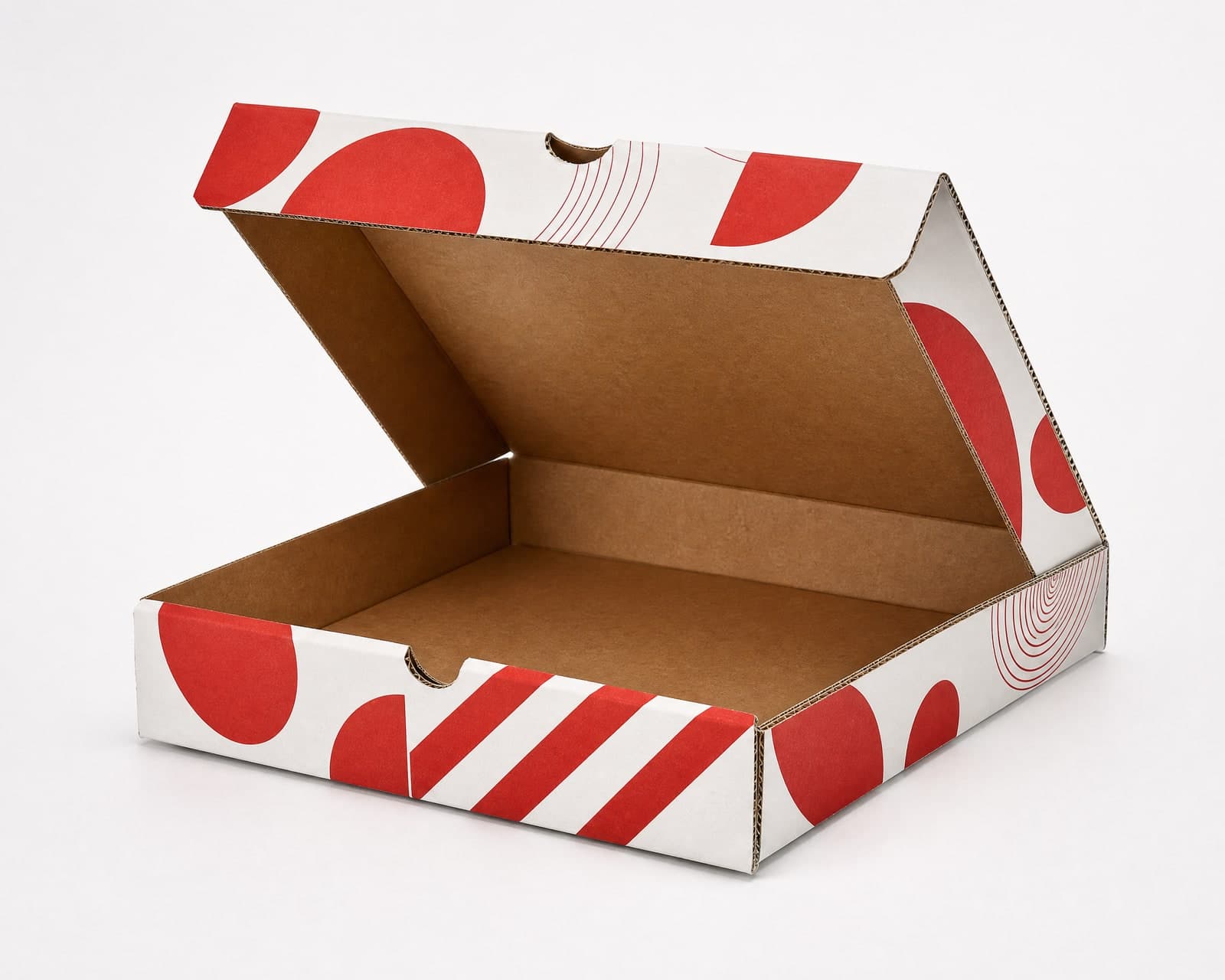
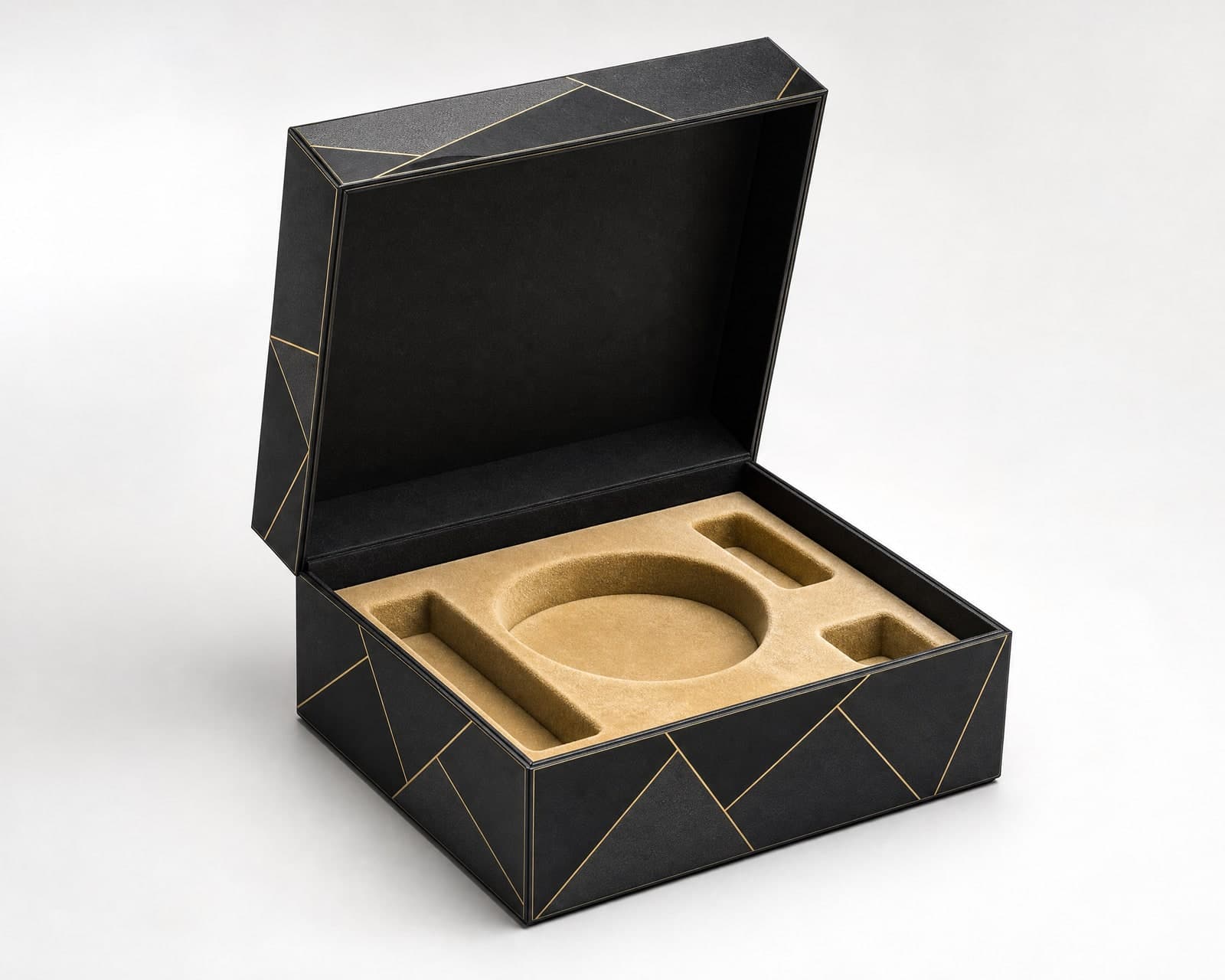
Why Packadex
Proofing, dielines, and packaging support before production.
Need help choosing a box style?
Tell us your product, quantity, size, and brand goals. We will guide you toward the right custom packaging structure.
Get a QuoteHow to pick the right custom packaging box
Most people arrive at a packaging catalogue knowing what their product is and not much about what it should ship in. The choice comes down to four decisions: the structure, the board, the print method, and the quantity. Get those right and everything else is detail.
Start with the structure, not the look
The structure is the box style, and it is dictated mostly by weight and how the product is sold.
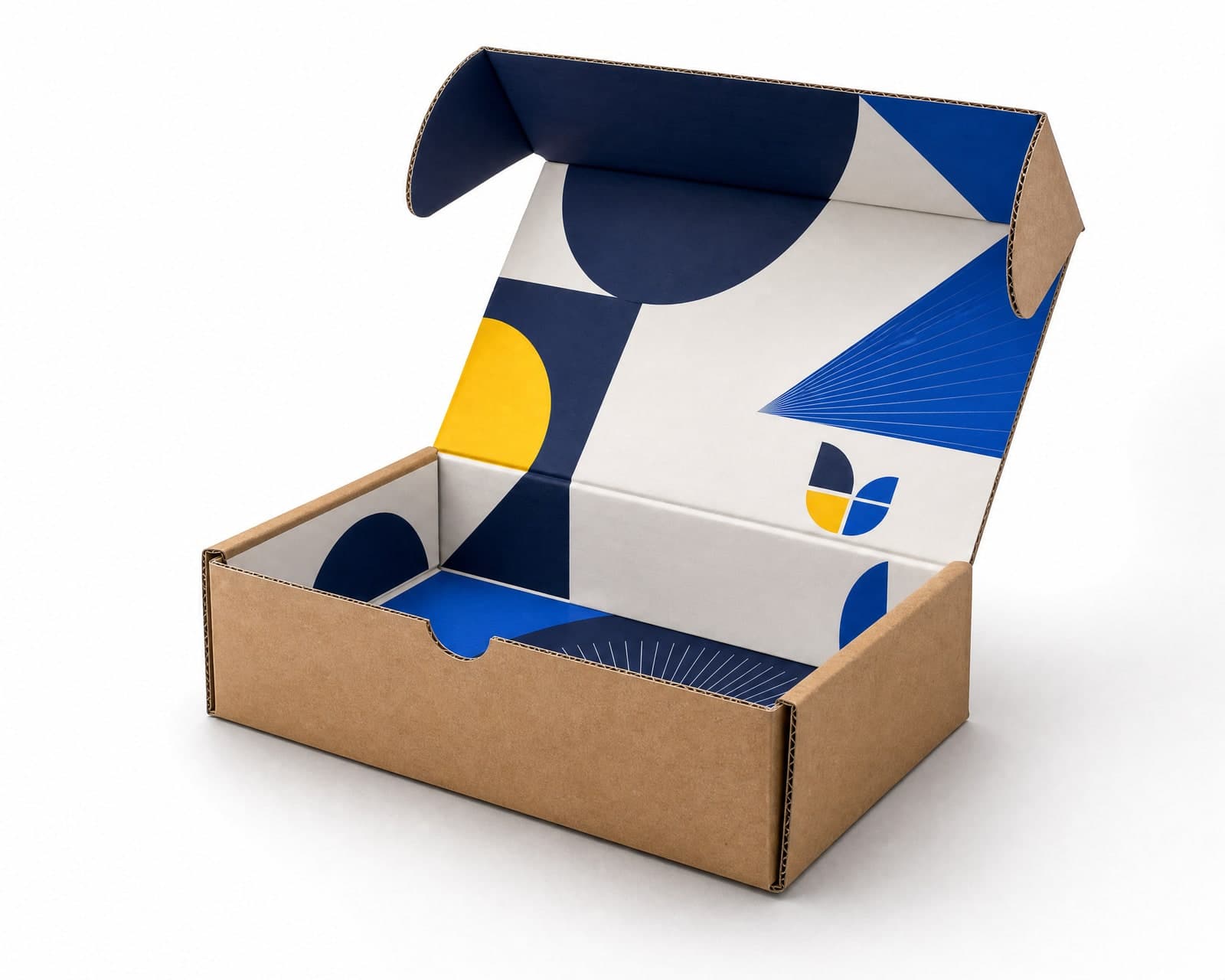
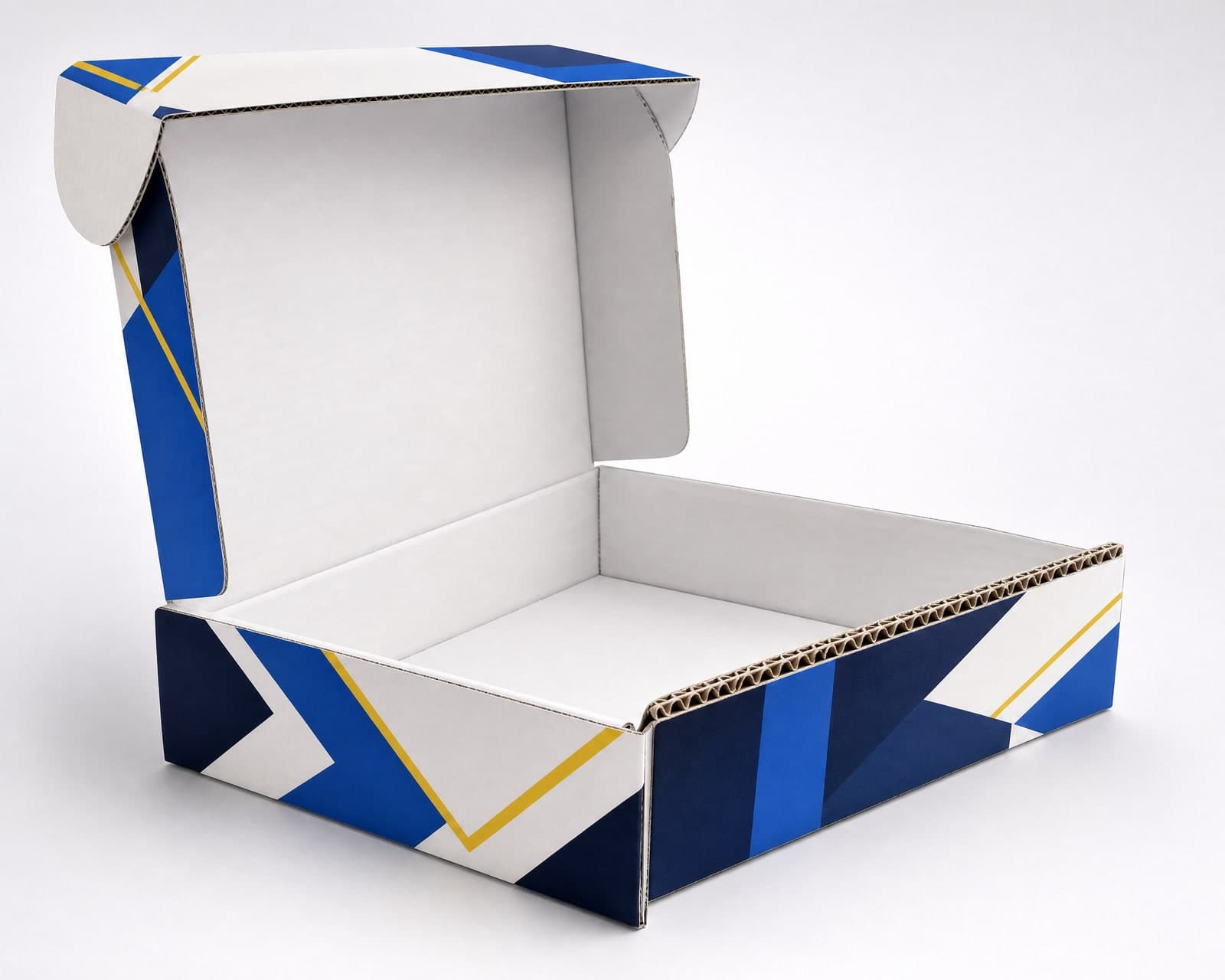
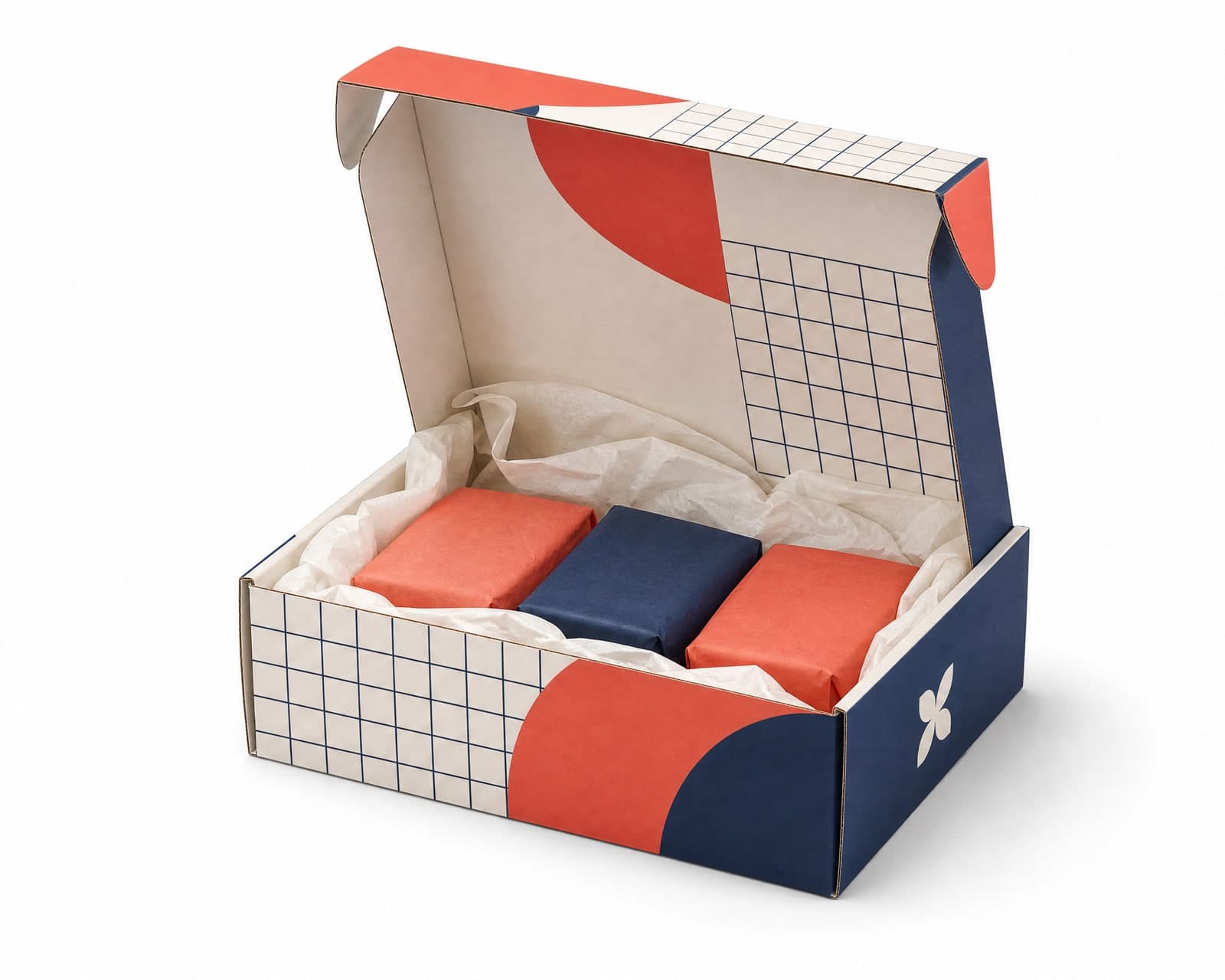
- Mailer boxes are the default for ecommerce. They fold flat, need no tape, and hold up through a carrier network. See custom mailer boxes.
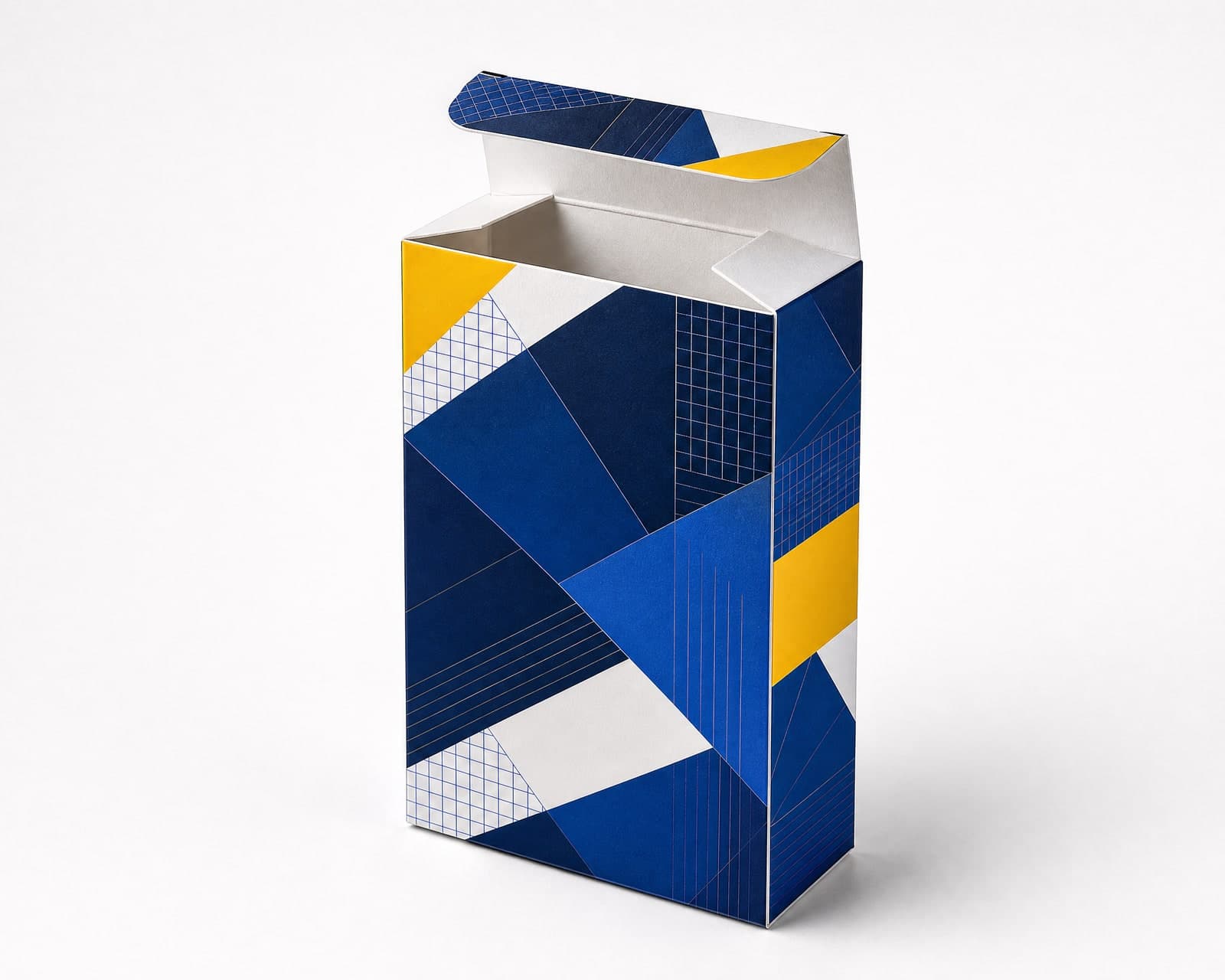
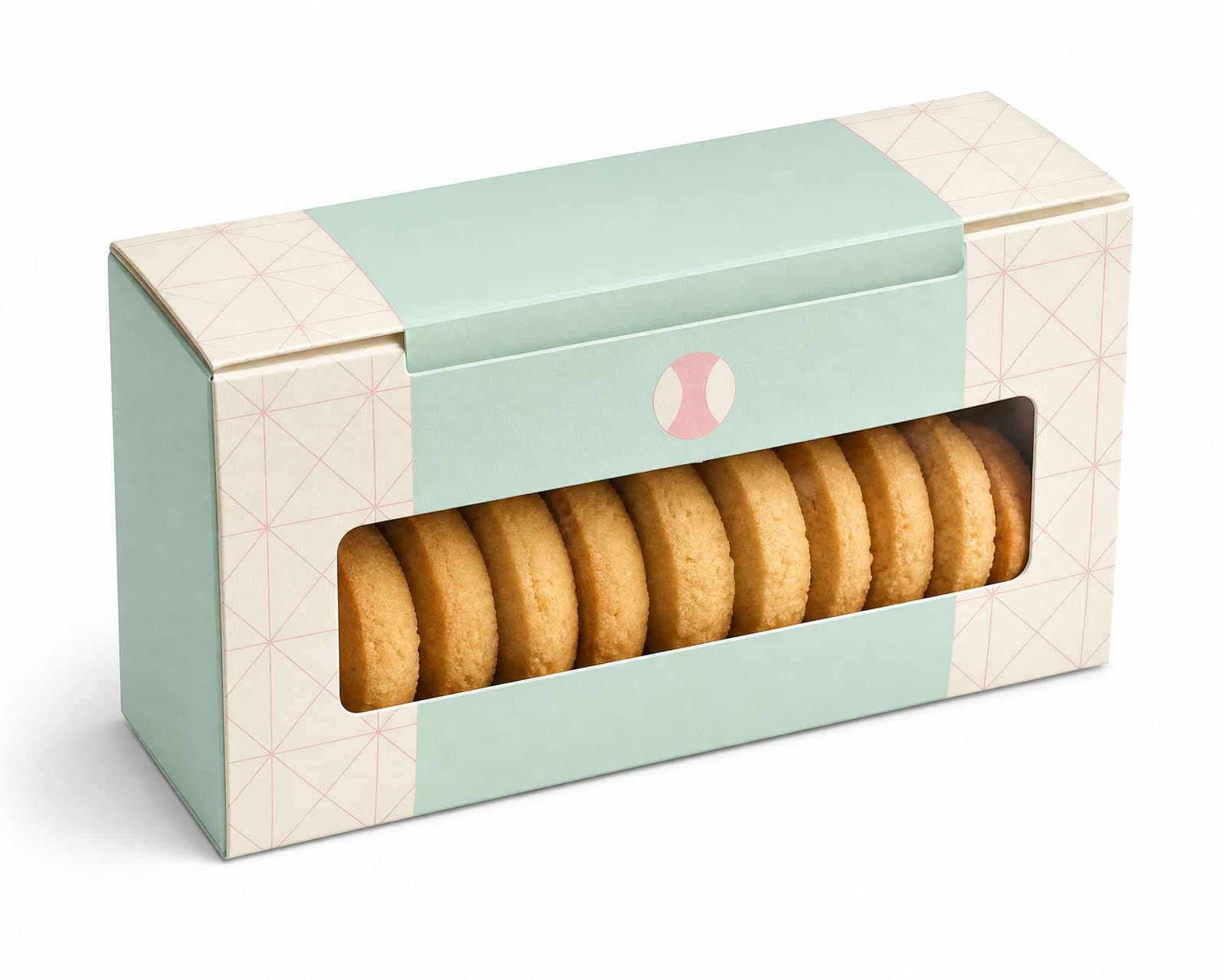
- Folding cartons are lightweight printed boxes for retail shelves, used for anything from cosmetics to cereal. See folding cartons.
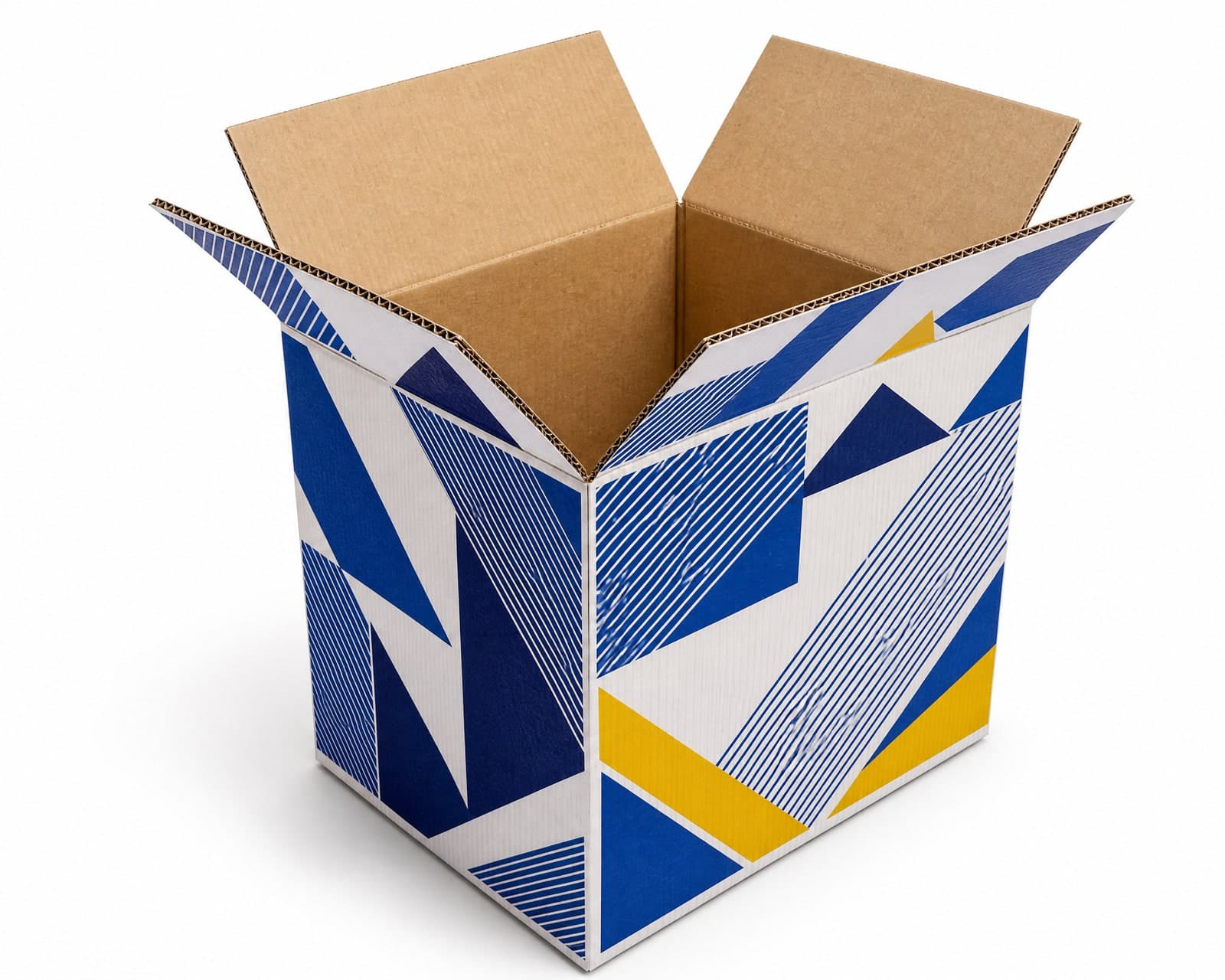
- Corrugated and shipping boxes carry weight. Fluted board resists crushing in ways flat board cannot. See corrugated shipping boxes.
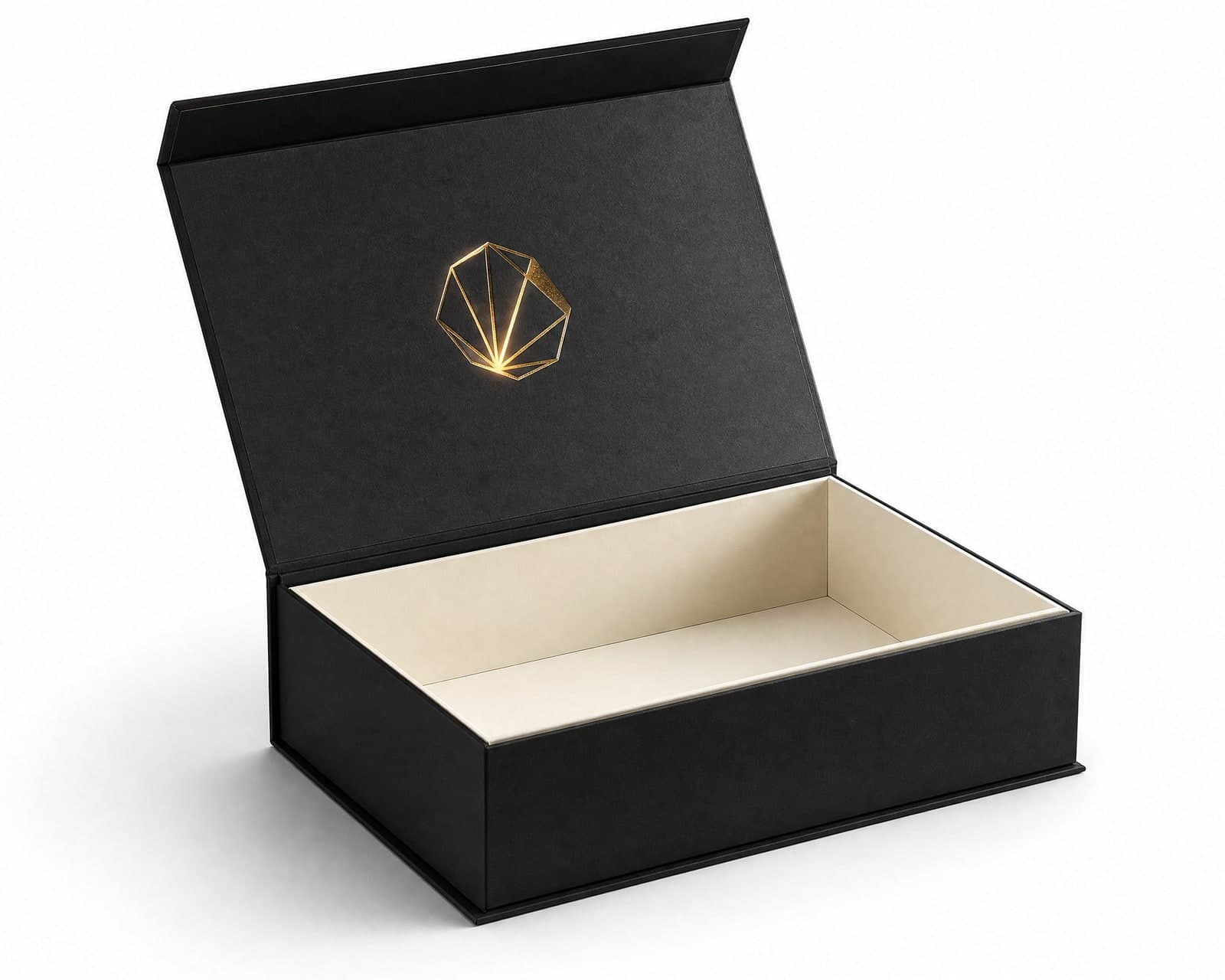
- Rigid boxes do not fold flat and cost more to make and ship, but they carry the most perceived value. Reserved for premium retail. See rigid boxes.
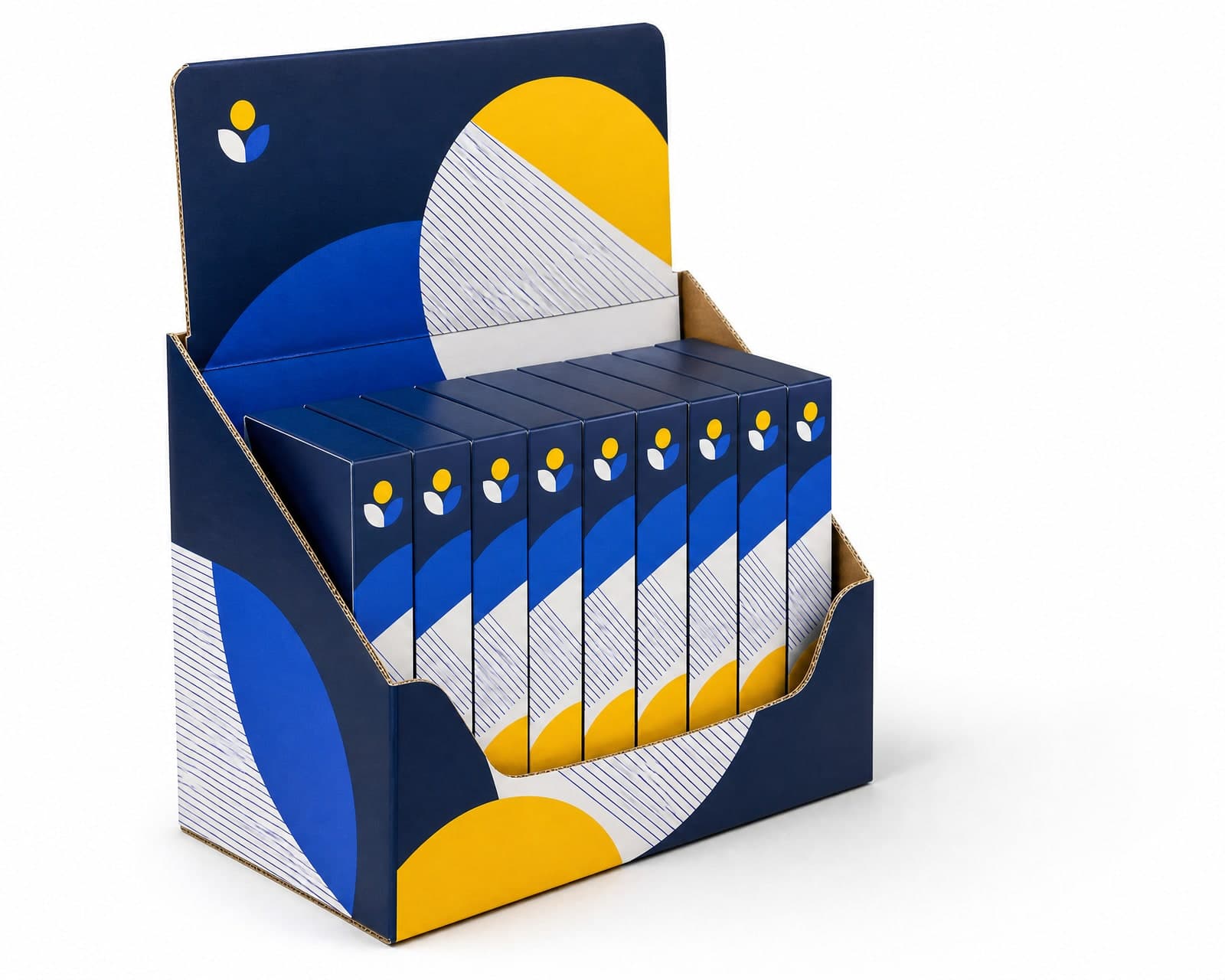
- Display boxes hold multiple units upright at a counter or on a shelf. See display boxes.
If your product is heavy, fragile, or oddly shaped, the structure decision is really an insert decision. A well-cut insert does more for damage rates than a heavier outer box.
Board and flute, in plain terms
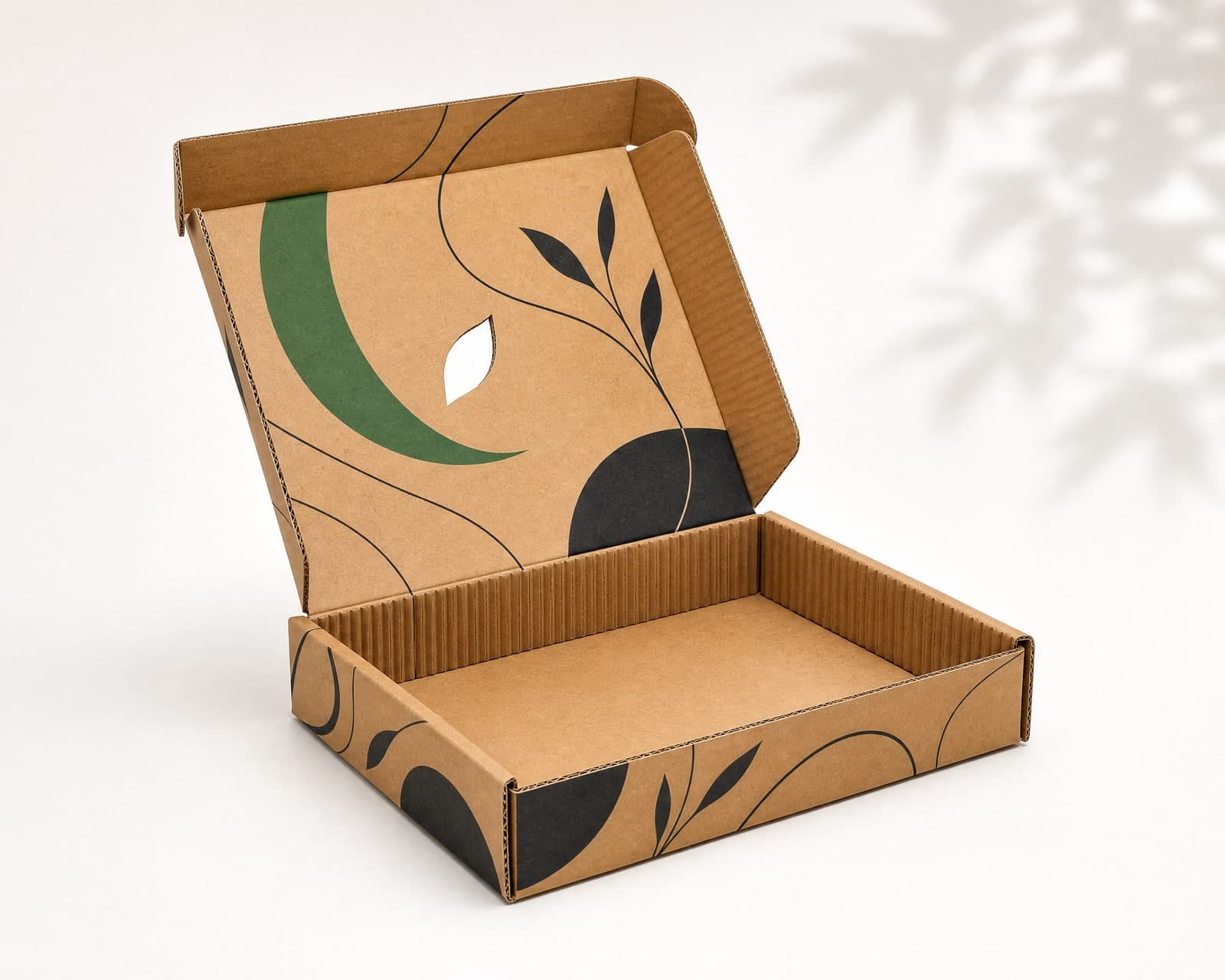
SBS is smooth white board and gives the cleanest print. It is what most retail cartons use. Kraft is unbleached and brown, cheaper, fully recyclable, and reads as natural rather than premium. Chipboard is the thick rigid board used in luxury boxes.
For corrugated, the flute is the wave layer inside. E-flute is thin and prints well, so it is the usual choice for retail-facing mailers. B-flute is thicker and takes more abuse. C-flute is standard shipping-carton material. Doubling up into BC-flute is for heavy or fragile freight.
Print methods and what they cost
Digital printing has no plate cost, so it wins at low quantities and for short runs with frequent artwork changes. Offset and flexo carry a setup cost that amortises across the run, so they overtake digital somewhere in the low thousands of units depending on the design. Pantone matching, foil stamping, embossing, and spot UV each add a pass and therefore add both cost and lead time.
If you are running fewer than about 500 units, assume digital and design for it. Above a few thousand, ask us to quote both ways.
Quantities, MOQ, and where the price breaks
Our minimum order quantity starts around 100 units, which is low enough to launch a real branded box without committing to a warehouse full of stock. Per-unit cost falls steeply from 100 to roughly 1,000 units, then flattens. If you are unsure how much to order, ask for pricing at several quantity breaks rather than one, so you can see where your curve levels off. We also handle wholesale packaging for brands ordering at volume.
Artwork, dielines, and proofs
We supply a dieline, a flat template showing every fold, glue tab, and cut line. Your artwork goes onto that template. We then issue a free digital proof, and we recommend a physical sample for anything rigid or heavily finished, because board texture and foil do not read accurately on a screen. Production starts only after you approve the proof in writing.
Not sure where to begin? Send us your product details and we will recommend a structure, a board, and a quantity to start with.